LATEST NEWS

UR-Sweden Symposium showcases innovation-driven solutions to Rwanda’s pressing challenges

In partnership with the UR-Sweden Program, UR organized a two-day multidisciplinary research and innovation symposium, featuring around 68 UR staff, students, and other educational stakeholders. Over 60 research and innovation projects in fields such as agriculture, health, education and technology were showcased by UR staff and graduates. These projects aim to address pressing community challenges and enhance the research ecosystem in Rwanda.
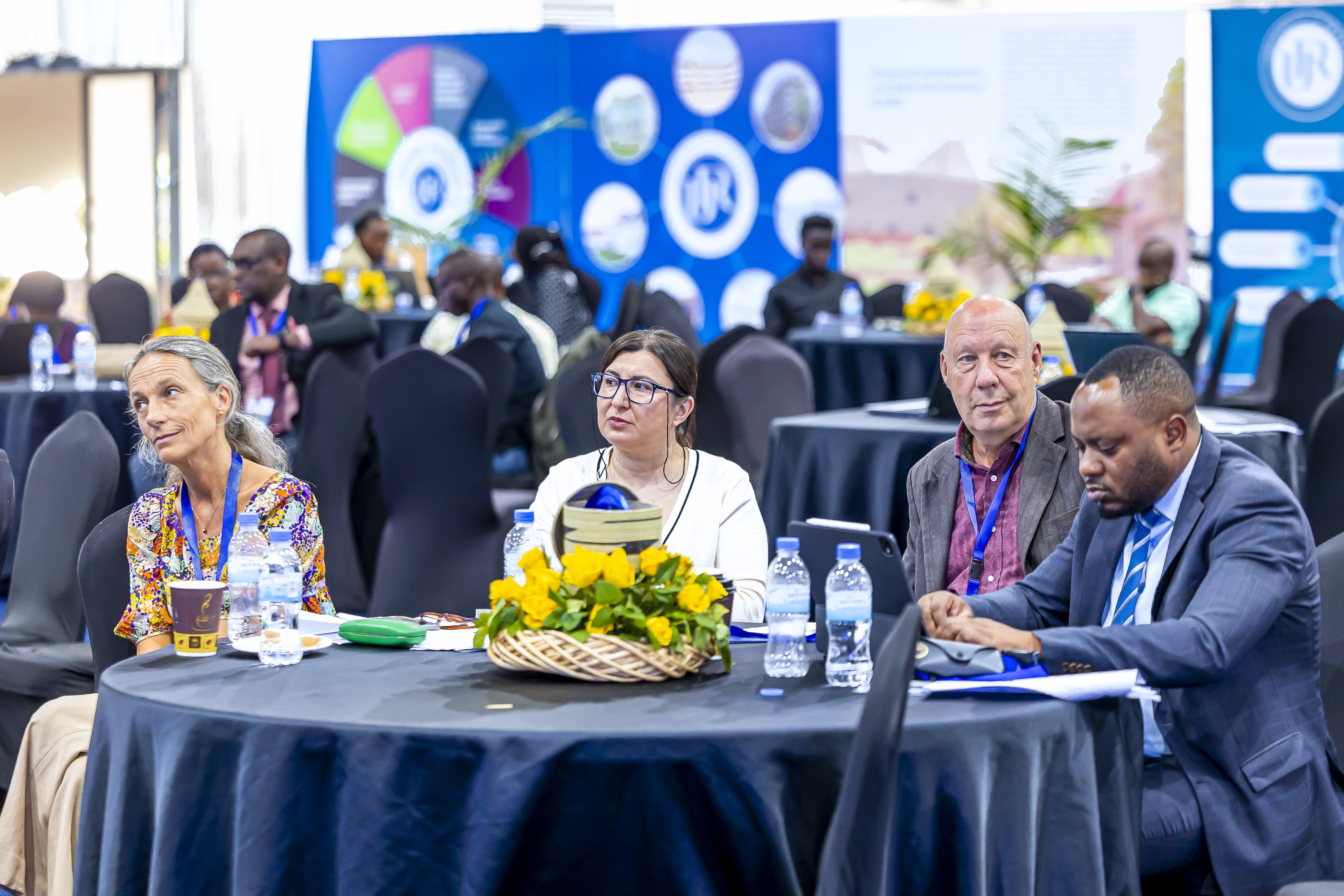
A section of participants during the event

In his opening remarks, Vice Chancellor Prof. Kayihura Didas encouraged the teams behind the showcased projects to take their findings further and strengthen their impact on policy. He emphasized that research is central to UR’s mission of generating new ideas, technologies, and methodologies ; ones that can be transformed into products, services, or solutions to address the socio-economic and environmental challenges facing society.

Speaking at the event, Martina F. Mohlin, Head of Development Cooperation at the Embassy of Sweden in Kigali, highlighted that collaboration with UR serves as a catalyst for transformative change and plays a central role in the innovation ecosystem. She added that Sweden remains committed to supporting locally driven solutions and fostering co-creation across sectors, noting that innovation is essential not only in research but also in sustaining the foundations of a thriving society.
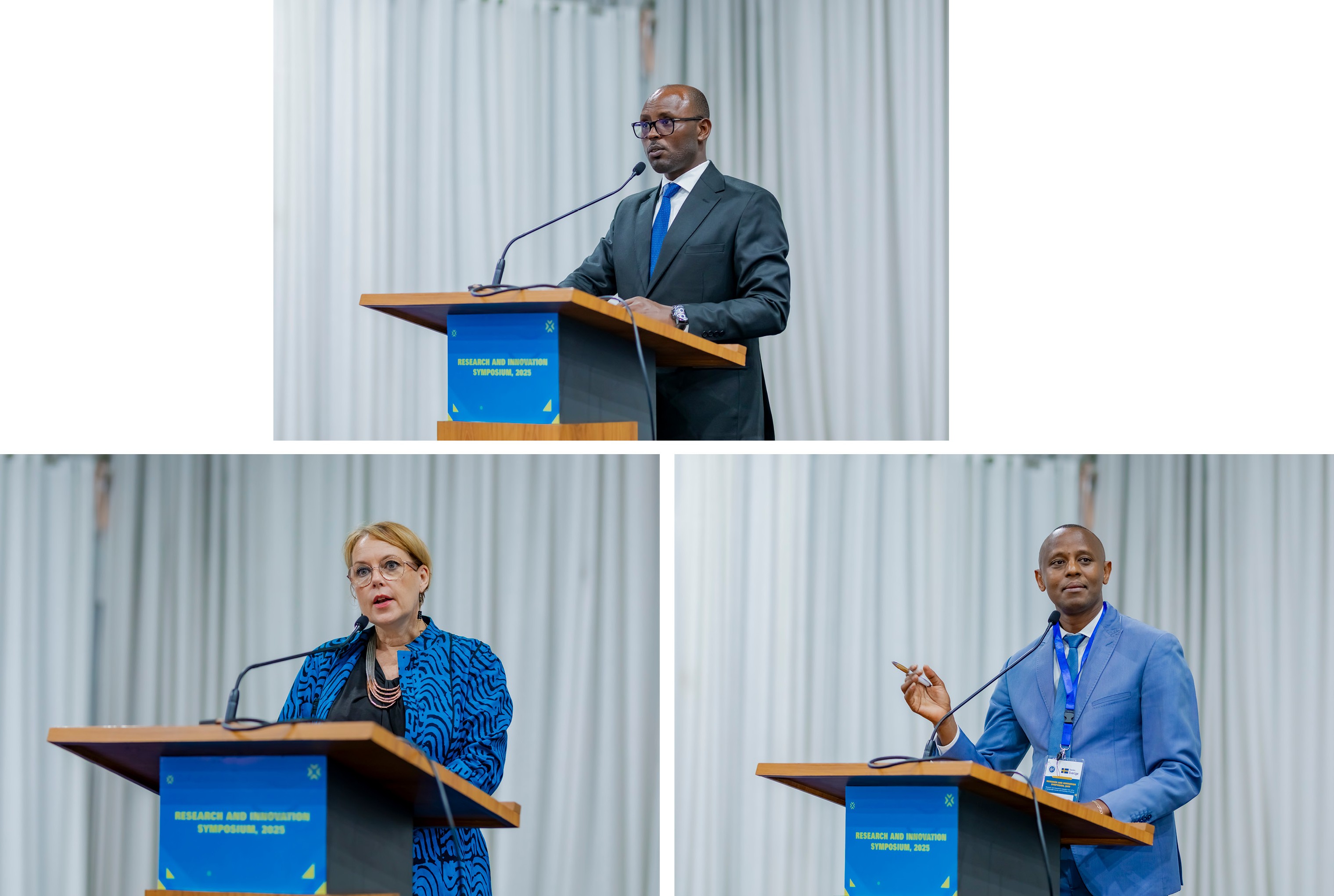
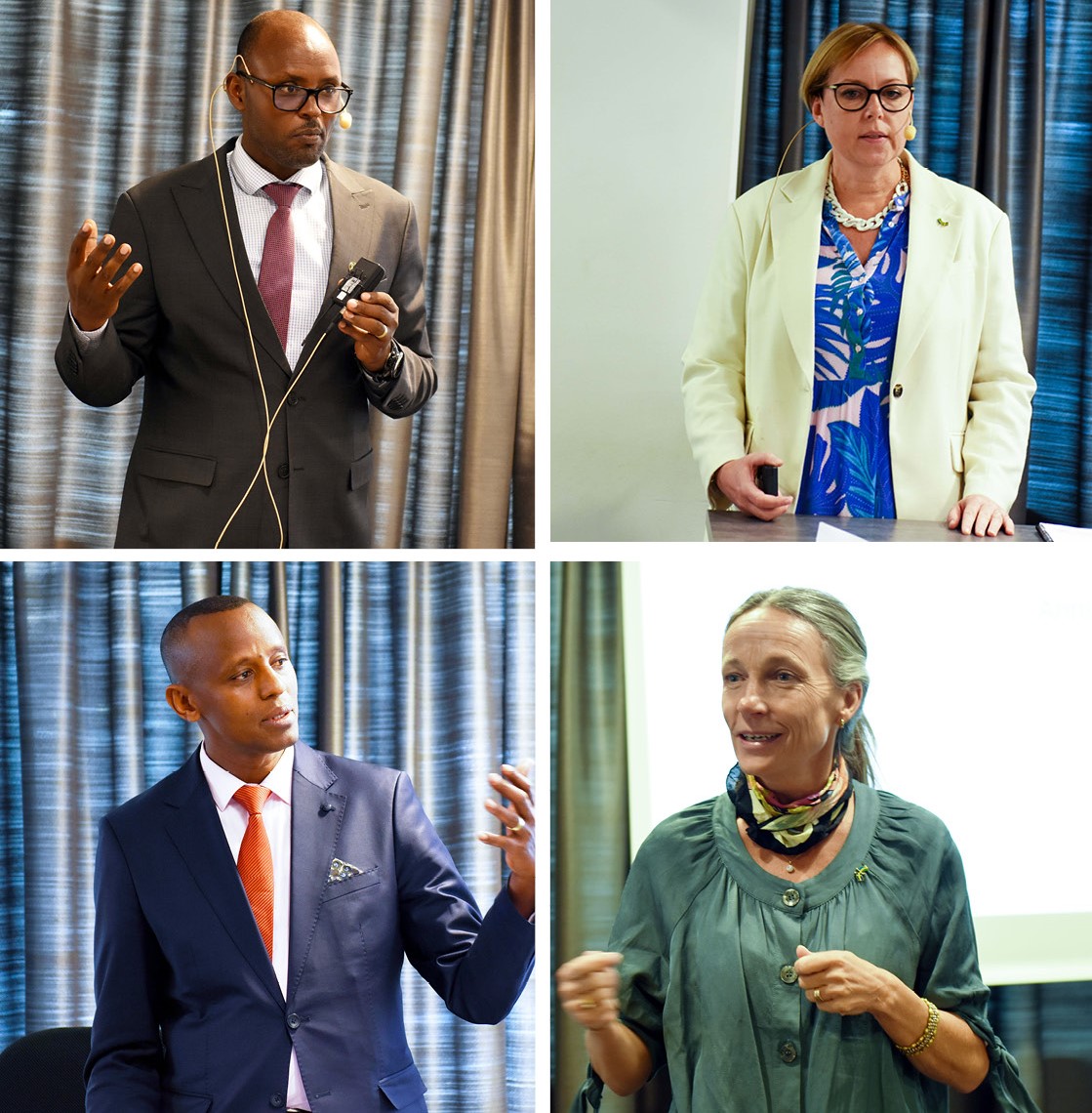
From top-clockwise : VC Prof Kayihura Didas, Prof Etienne Ruvebana and Martina F. Mohlin

Some of the presented projects leverage technologies like artificial intelligence (AI) to solve community issues. Eric Hitimana, a researcher and lecturer at UR’s College of Science and Technology, presented an innovative project that uses AI to help coffee farmers detect defects and plant diseases. The system then sends this information directly to agronomists in the area for support.

Hitimana developed a mobile application that uses a phone camera to scan defective parts of coffee leaves, generating detailed information about the issue. After detection, the app sends the data along with the farmer’s location coordinates to agronomists, the Rwanda Agriculture Board, and the National Agricultural Export Development Board (NAEB). He noted that this also enables these institutions to collect data that informs agricultural policies and strategies.
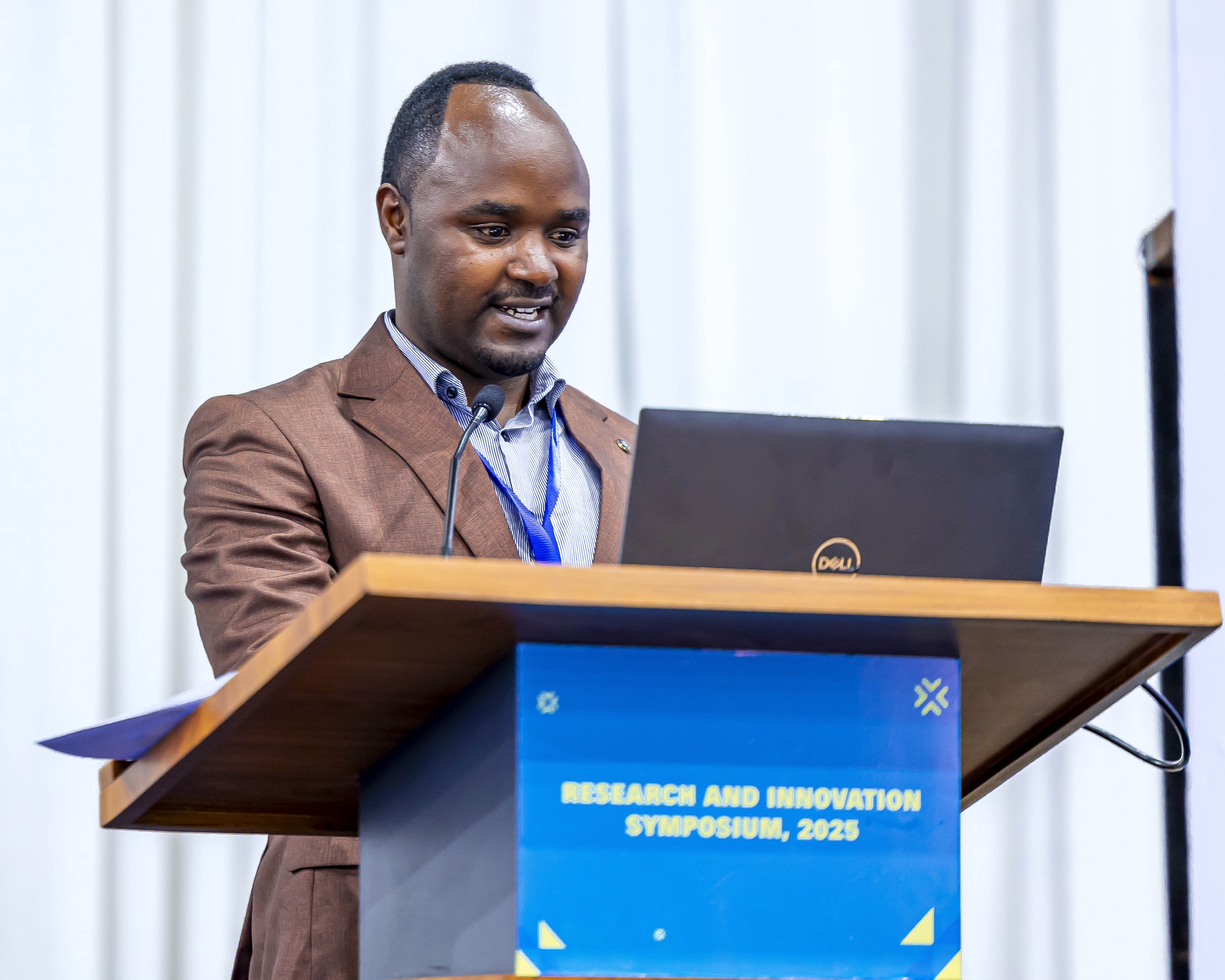
Hitimana, a university academic developed a mobile app to help coffee farmers detect defects and plant diseases.

Another innovation presented was a solar-powered milk cooling system designed for rural farmers who lack reliable electricity. Developed by Fabien Mukundukize, a UR lecturer in electrical engineering, the system includes solar panels, a battery, and a custom cooling tank to help farmers store milk for longer periods and prevent spoilage.

“This ensures better milk quality and reduces waste for farmers awaiting buyers in areas without access to refrigeration,” Mukundukize said.

Mukundukize with his solar-powered milk cooling machine

Prof. Ruvebana, UR’s Senior Research Coordinator, praised the uniqueness of the research and innovation subprograms, noting that they are the only ones clustered across all seven UR colleges. He emphasized that the Program organized the symposium to reinforce its commitment to disseminating key milestones achieved in innovation and research.

By fostering collaboration between academics, industry professionals, and researchers, the symposium reinforced the University’s role in addressing societal challenges through a multidisciplinary approach.
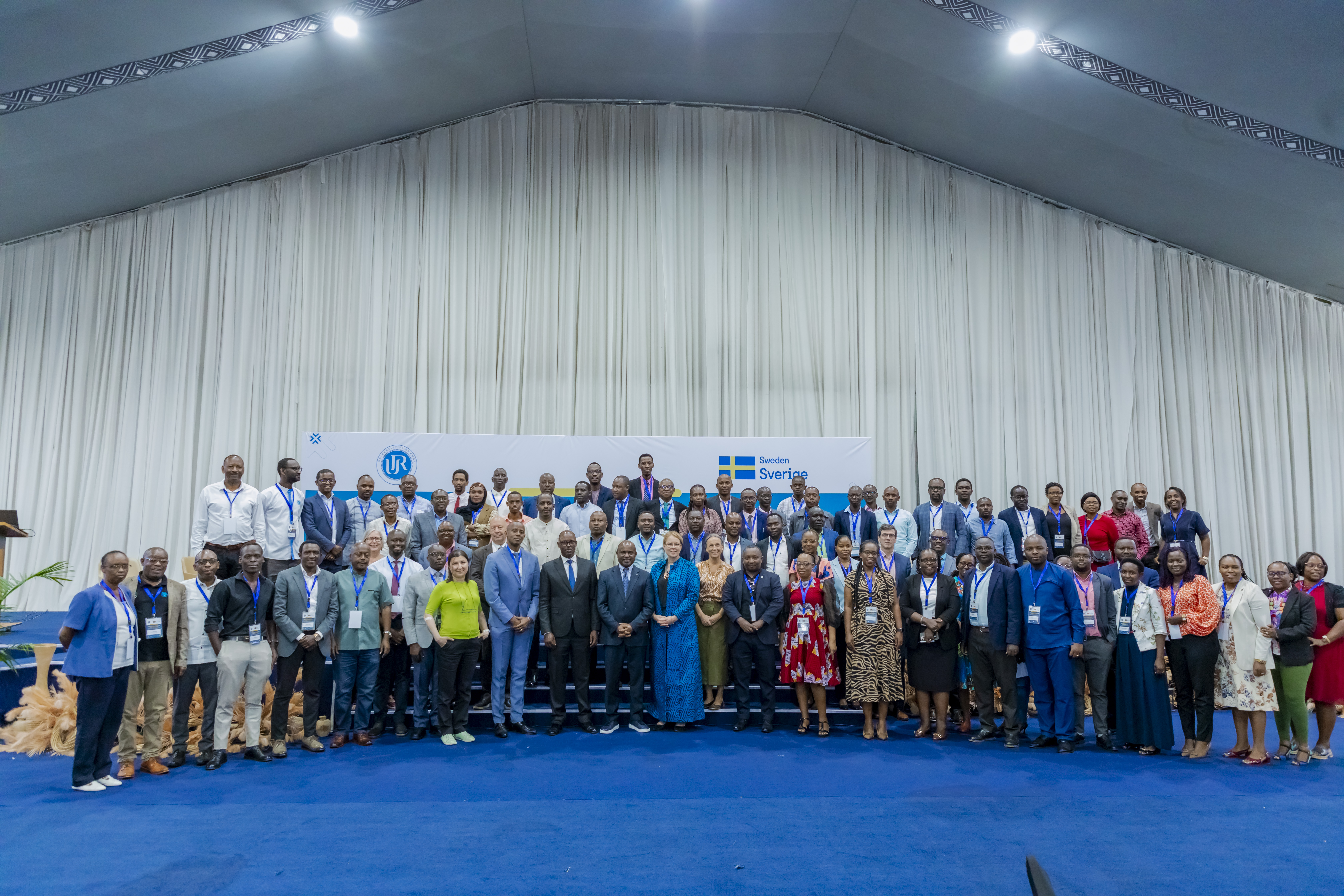
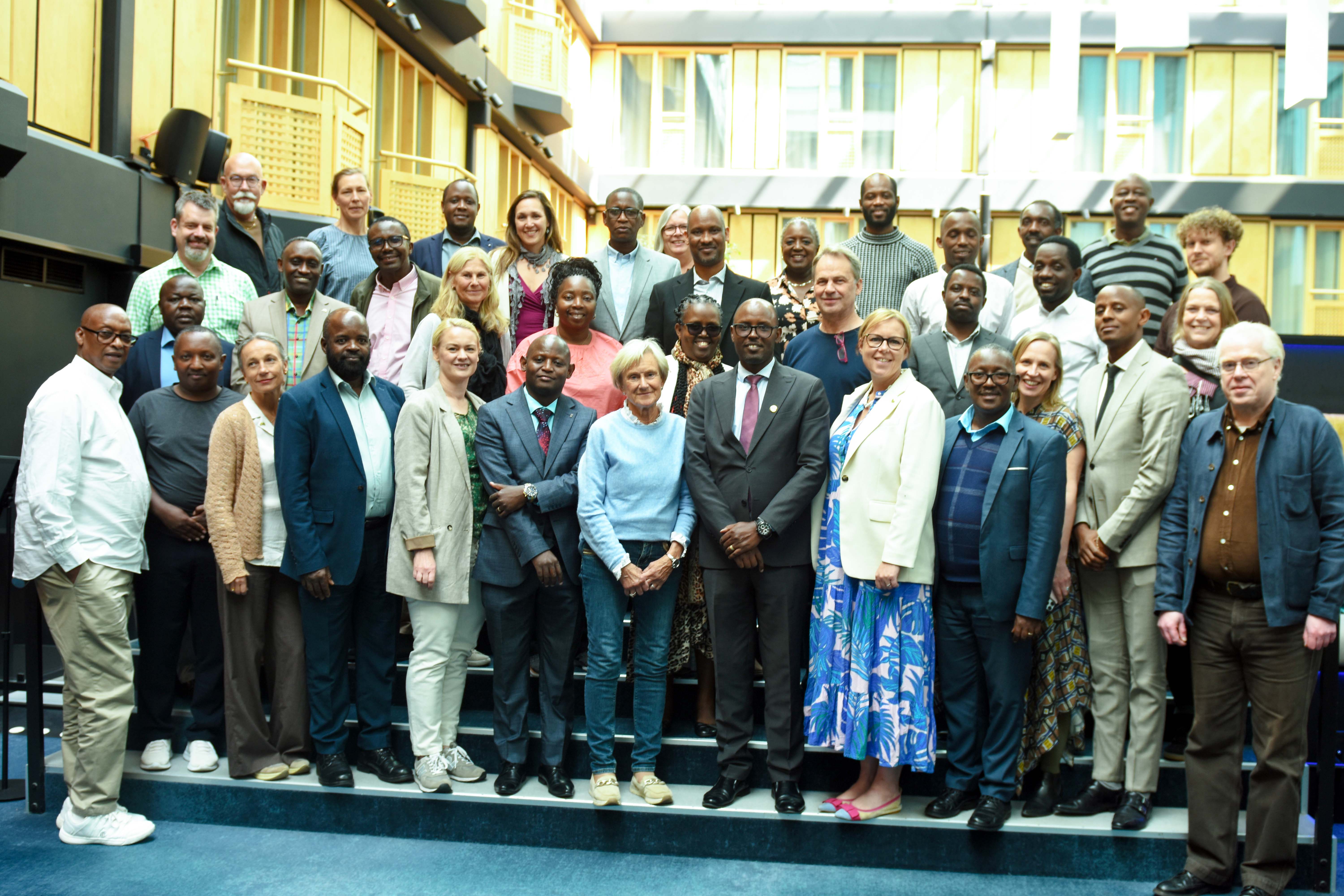
Participants pose for a group photo
UR and Swedish partners meet to reflect on research impact and future collaboration

UR and Swedish partners meet to reflect on research impact and future collaboration

The University of Rwanda research team under the UR-Sweden Program joined their counterparts from 14 Swedish universities for the Annual Dialogue Meeting held at the University of Gothenburg, Sweden. Discussions focused on the ongoing bilateral research program, particularly the progress of PhD training both in Rwanda and Sweden, and the collaborative efforts in research and innovation.

Speaking at the event, the University Vice Chancellor, Prof. Didas Kayihura, expressed his satisfaction with the program’s contributions to the Government of Rwanda. He emphasized the importance of continued documentation of the program’s interventions, which have had a significant impact not only on individuals but also on the institution and the country at large.

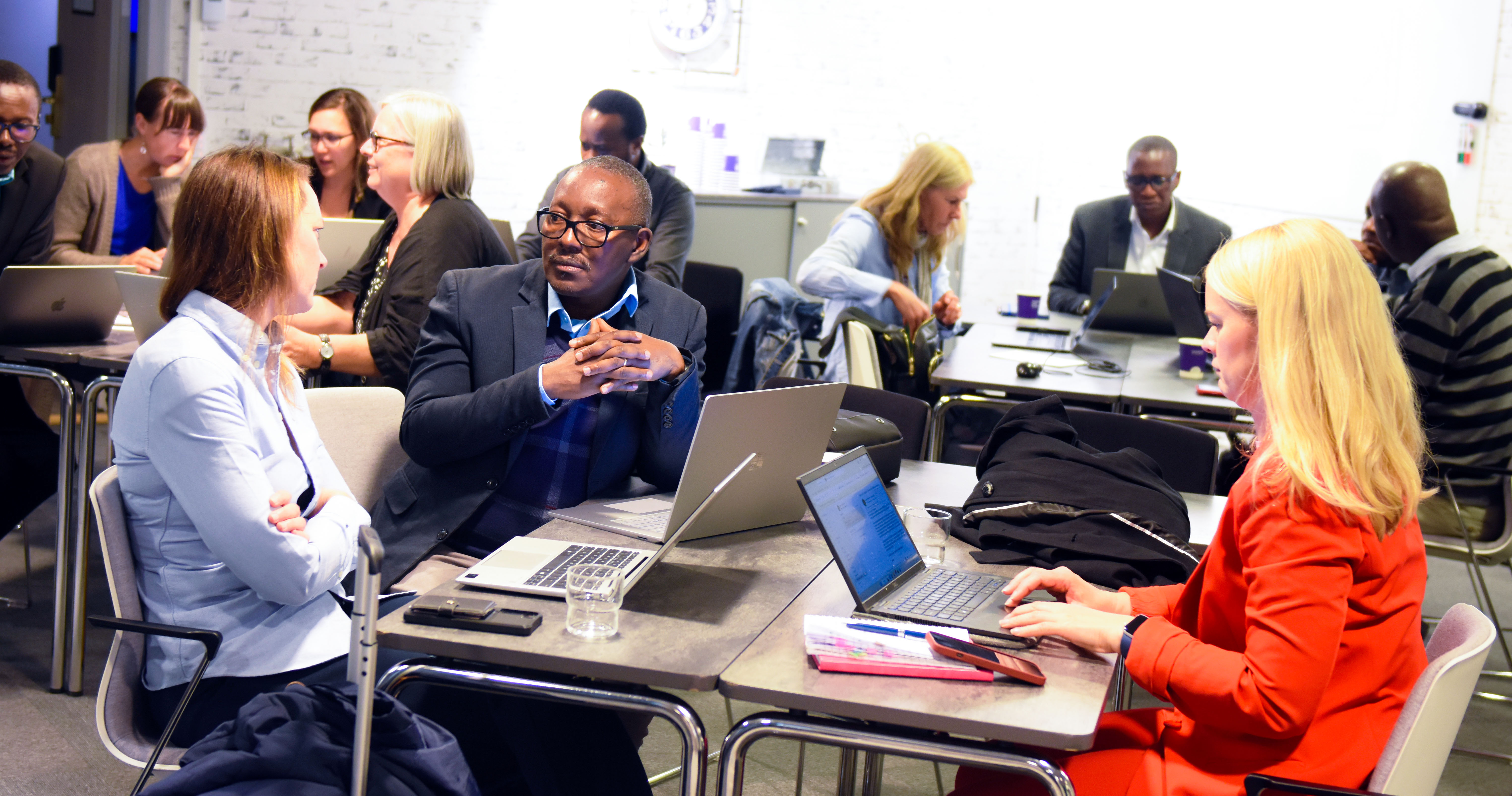
A section of participants during the meeting

“We are proud of the impact that graduates are making within UR and in other institutions across Rwanda. Many graduates are now holding strategic positions,” said Prof. Kayihura.

Martina Fors Mohlin, Head of Development Cooperation at the Swedish Embassy in Rwanda, praised the program for producing a critical mass of skilled individuals who are driving positive change at the University of Rwanda and beyond. She stressed the need to apply research findings to ensure they meaningfully contribute to Rwanda’s efforts to reduce poverty and improve lives.

According to Program Coordinator Prof. Etienne Ruvebana the program has served as a source of hope and transformation through its educational journey. He highlighted the importance of moving beyond numbers to evaluate how research and training have led to meaningful change in the lives of individuals and communities.

In her remarks, Katarina Westman, Senior Research Advisor at the Swedish Embassy in Rwanda, noted that the Annual Dialogue Meeting aims, among other objectives, to develop mechanisms that support PhD students in making steady progress and receiving the guidance they need to complete their theses on time. She also reiterated the importance of communicating research findings to ensure they create tangible impact within communities.

From top left -clockwise : Prof Kayihura Didas ; UR Vice Chancellor, Martina Fors Mohlin, Head of Development Cooperation at the Swedish Embassy in Rwanda, Katarina Westman, Senior Research Advisor at the Swedish Embassy in Rwanda and Prof Etienne Ruvebana, the Program Coordinator

As part of the meeting, the Rwandan delegation visited the Tracks and Fuse program at Chalmers University of Technology ; a makerspace and lab where education, research, industry, and the community converge to test and implement ideas. The hub has a strong collaboration with UR’s UNIPOD, with benefits including benchmarking as well as staff mobility. The hub mainly attracts industries in the fields of mechanical engineering and product development.

Participants group photo

Currently, UR-Sweden Program boasts 18 subprograms, including 15 research training programs and 3 research support programs. The initiative has supported the development of five PhD programs at the university. To date, the program has produced 99 PhD graduates, postdoctoral researchers, and over 100 master’s graduates. At present, 60 students are pursuing PhD studies ; 35 at Swedish universities and 25 at the University of Rwanda.

Early career scholars & researchers equipped with gender, science and leadership skills

Early career scholars and researchers from various universities and institutions in Rwanda gathered at the University for a one-week intensive course on Gender, Science, and Leadership in Higher Education. The program equipped participants with practical skills on how gender intersects with science and leadership.

The course featured various sessions facilitated by experienced researchers from Rwanda, Tanzania, South Africa, Sweden, and the USA. It was initiated by Prof. Linley Chiwona-Karltun and a team at the University of Rwanda. Chiwona-Karltun emphasized that the course was designed and delivered to empower a critical mass of academics and researchers, enabling them to provide accurate, evidence-based data to inform gender-related policies.

“We need people who can question why women are more likely to do this while men are more likely to do that,” said Prof. Chiwona-Karltun, a professor at the Swedish University of Agricultural Sciences, highlighting the need to address gender gaps observed in all aspects of life.

Dr. Merezia Wilson, a facilitator from the University of Dar es Salaam Business School, stated that the course enabled participants to integrate gender aspects into scientific research, fostering knowledge creation. She added that science is often perceived as numbers, data, and figures, while the role of social sciences and their connection to gender aspects is frequently overlooked.

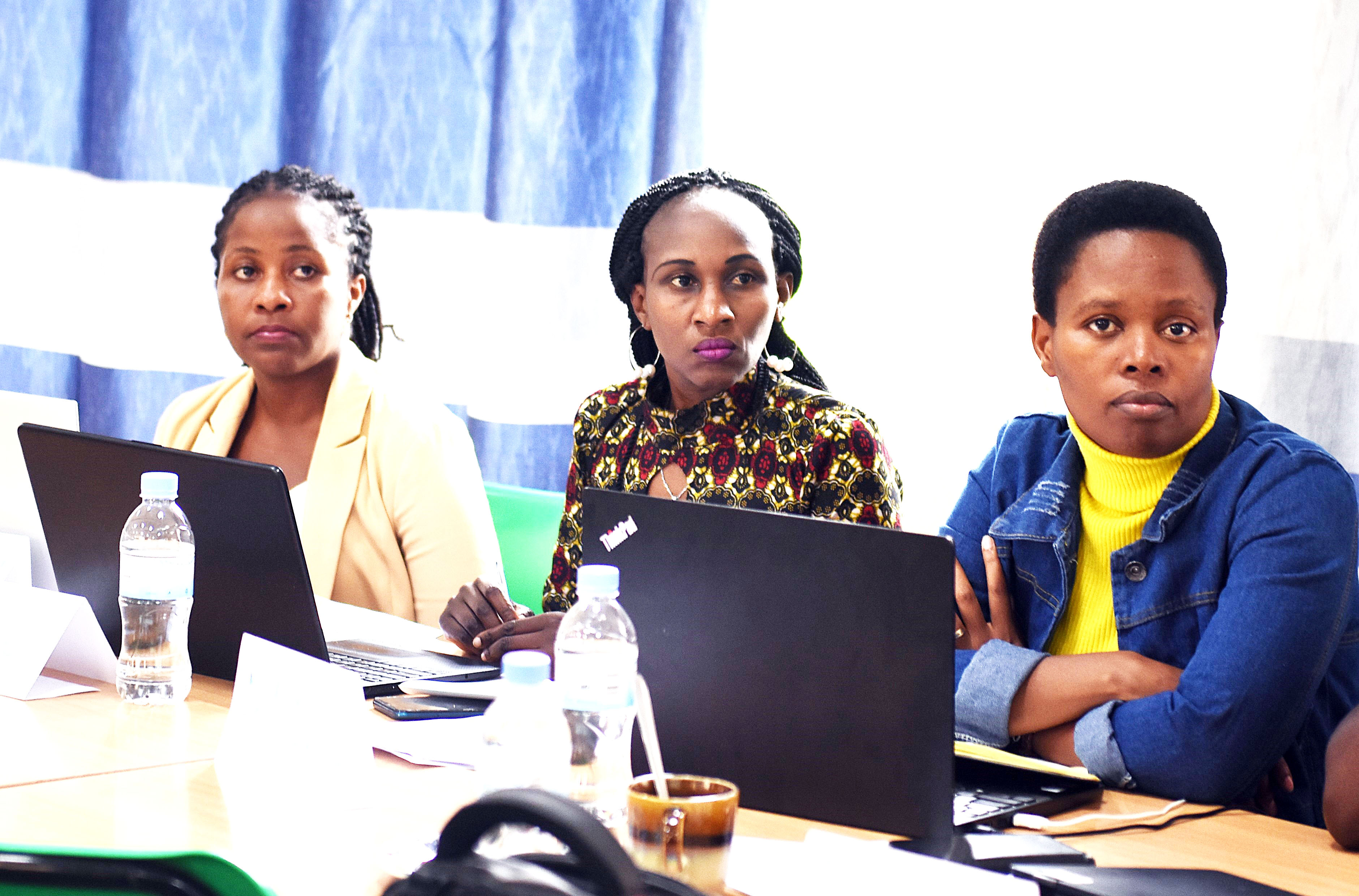
Drocelle Nyiransabimana (C) among participants who attended the course

According to Drocelle Nyiransabimana, a participant from the University of Technology and Arts of Byumba (UTAB), the course provided valuable insights into leadership skills and self-confidence among women. Other skills gained included network building, research methodologies, effective communication for disseminating findings, and identifying research beneficiaries.


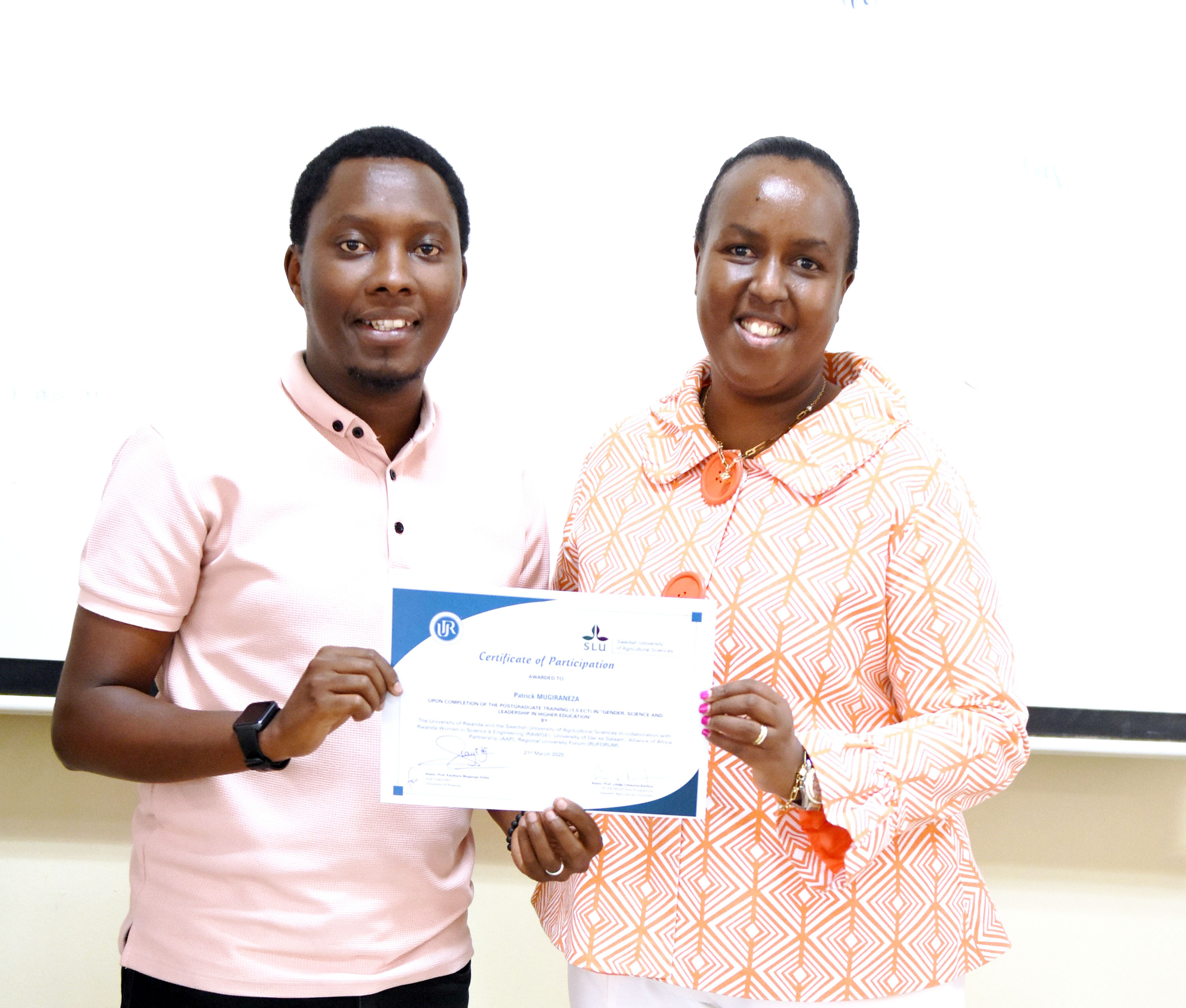
DVC Francoise T. Kayitare awarding a certificate to one participant

The course was closed by Francoise Tengera Kayitare, the University’s Deputy Vice-Chancellor for Finance. She reminded participants that research is most impactful when it addresses societal needs. She commended their dedication, emphasizing that the knowledge gained would shape their career paths and encouraged them to apply their learning within their broader communities.


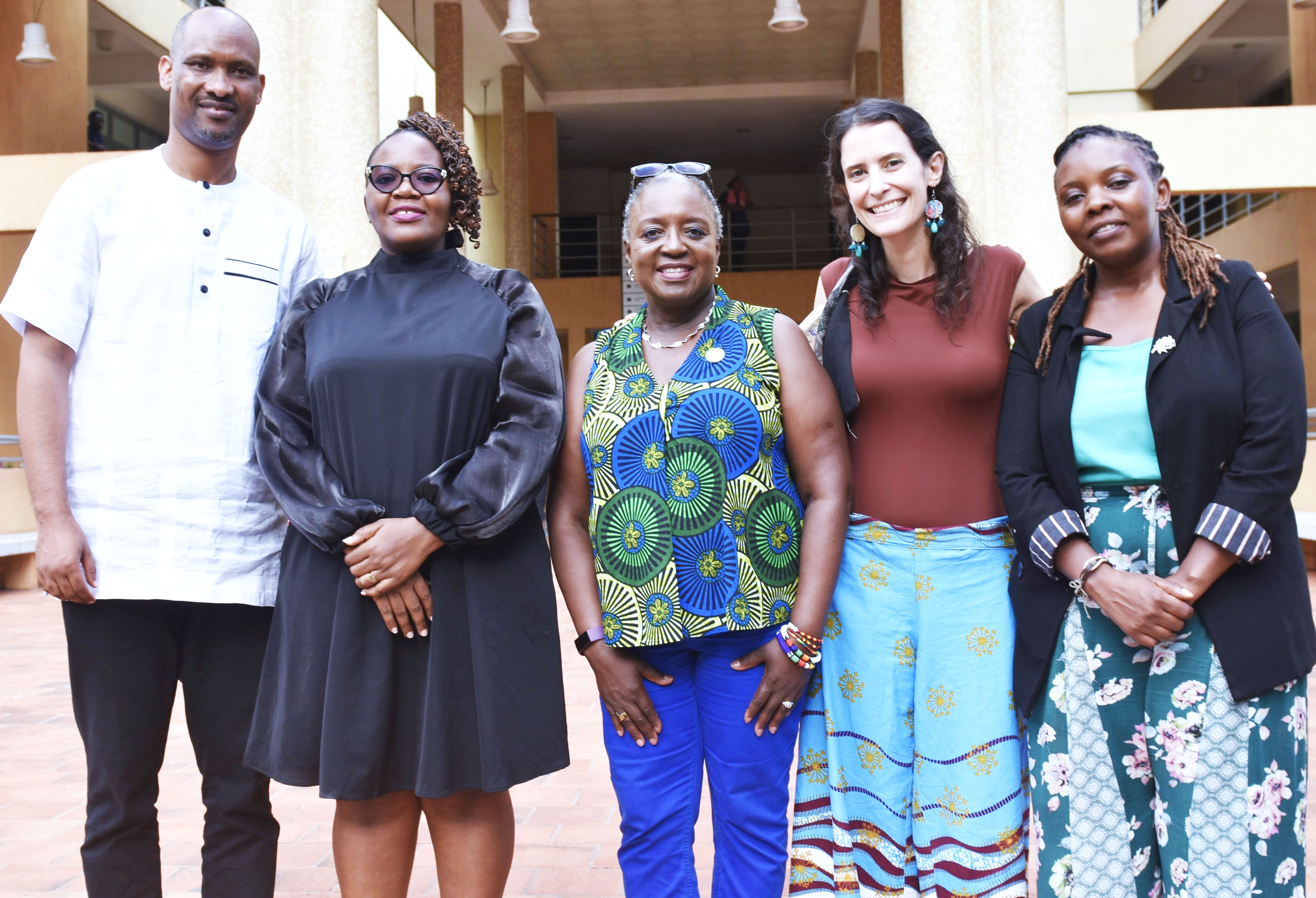
Facilitators From Left Prof Alfred Bizoza (UR), Dr. Merezia Wilson (University of Dar es Salaam), Prof Prof. Chiwona-Karltun (SLU), Dr Alexandra D’urso (SLU) and Dr Marie Chantal Cyulinyana (RAWISE)

This course was developed within the framework of the UR-Sweden Program, a bilateral research cooperation between the Governments of Sweden and Rwanda. It was initiated under the Engendering Rural Transformation for Sustainable Development (ENTRUST) Subprogram, a collaboration between UR and SLU. Rwandan Association for Women in Science and Engineering (RAWISE) was also a partner in this initiative.

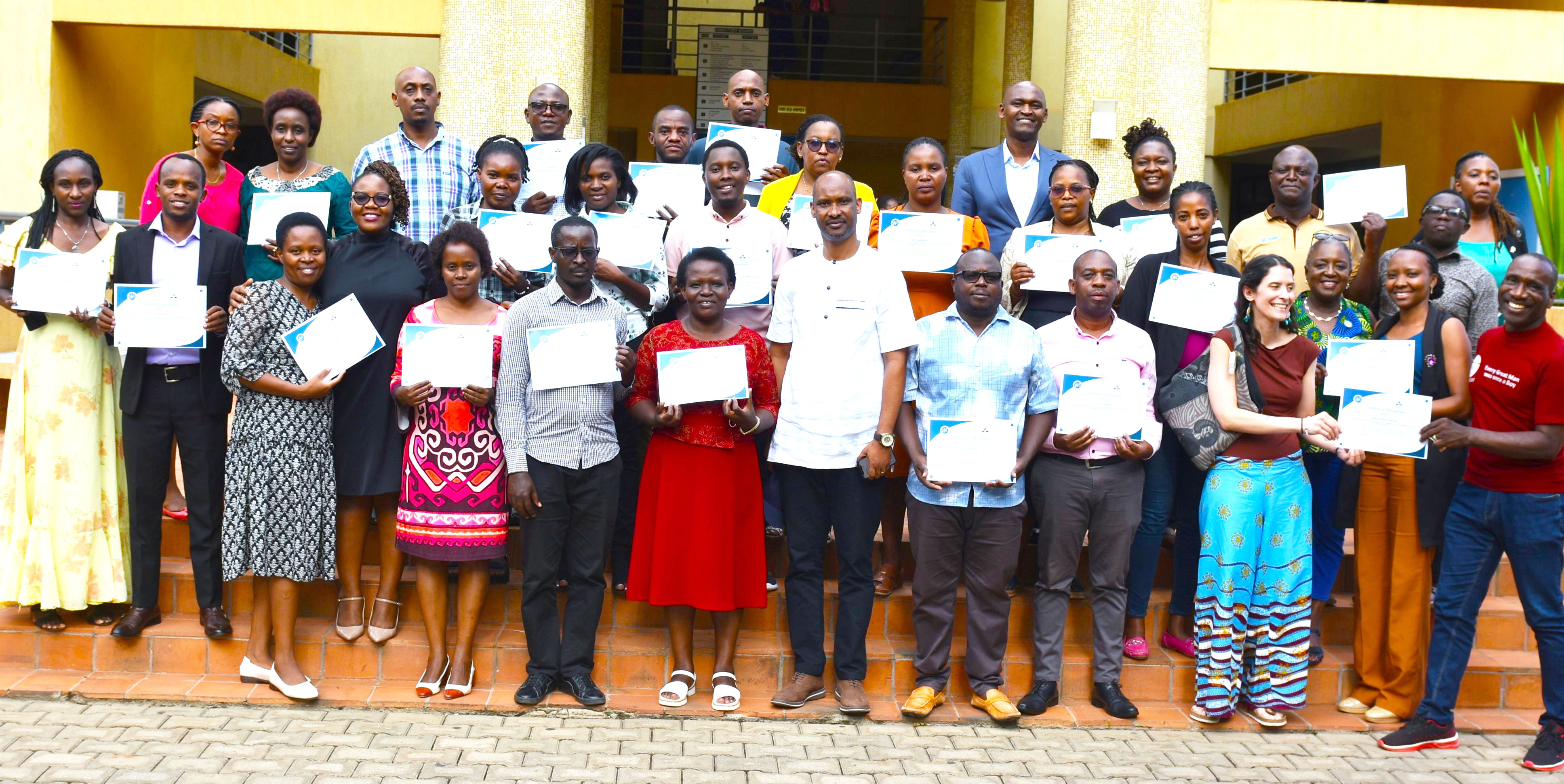
Participants pose for a group photo