In many coffee-producing regions, coffee washing stations operate daily to process freshly harvested coffee cherries. Although essential for producing high-quality coffee, this process generates large volumes of wastewater. The wastewater contains natural coffee compounds such as polyphenols, as well as traces of pesticides used on farms. When discharged without proper treatment, it can contaminate rivers, soils, and groundwater, posing risks to both ecosystems and nearby communities.
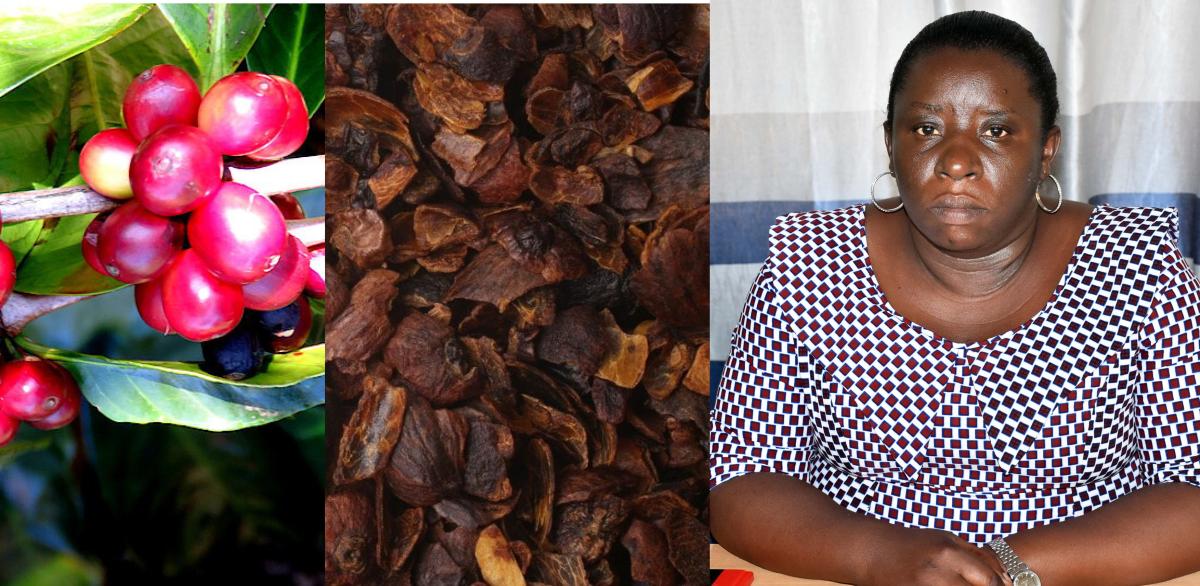
To address this challenge, Brigitte Mukarunyana, a staff member at the University of Rwanda and a doctoral researcher at Umeå University in Sweden, investigated a practical and locally accessible solution. Her work is supported by the UR–Sweden Programme, which promotes research that delivers tangible community benefits through evidence-based policy and practice.
Brigitte’s research explored how coffee byproducts, specifically coffee pulp and husks, which are often discarded, could be transformed into materials capable of cleaning polluted water. These byproducts were collected from a coffee washing station in Rwanda and processed into hydrochars and biochars through controlled heating. Hydrochars were produced at lower temperatures in the presence of water, while biochars were created at much higher temperatures, giving them distinct structural and surface characteristics.
When tested on real coffee wastewater, both materials showed strong pollutant‑removal abilities. Hydrochars were highly effective at removing polyphenols: these natural compounds readily adhered to the hydrochar surfaces, resulting in significantly cleaner water, with some treatments removing nearly all polyphenols. Biochars, with their more carbon‑rich and hydrophobic surfaces, excelled at adsorbing pesticide residues, substantially reducing the concentration of these harmful chemicals.
Overall, the study shows that coffee waste can be converted into valuable, low-cost materials for wastewater treatment. By transforming coffee pulp and husks into hydrochars and biochars, coffee-producing communities can reduce environmental pollution, safeguard water sources, and manage agricultural waste more sustainably. While existing research typically addresses waste management, biochar and hydrochar production, or wastewater treatment separately, this study integrates these elements into a closed-loop system tailored to the technical and socioeconomic realities of coffee washing stations.