The management of the UR-Sweden Research Programme convened for its Annual Dialogue Meeting, a platform dedicated to reviewing progress, reflecting on achievements, and discussing future directions for collaboration.
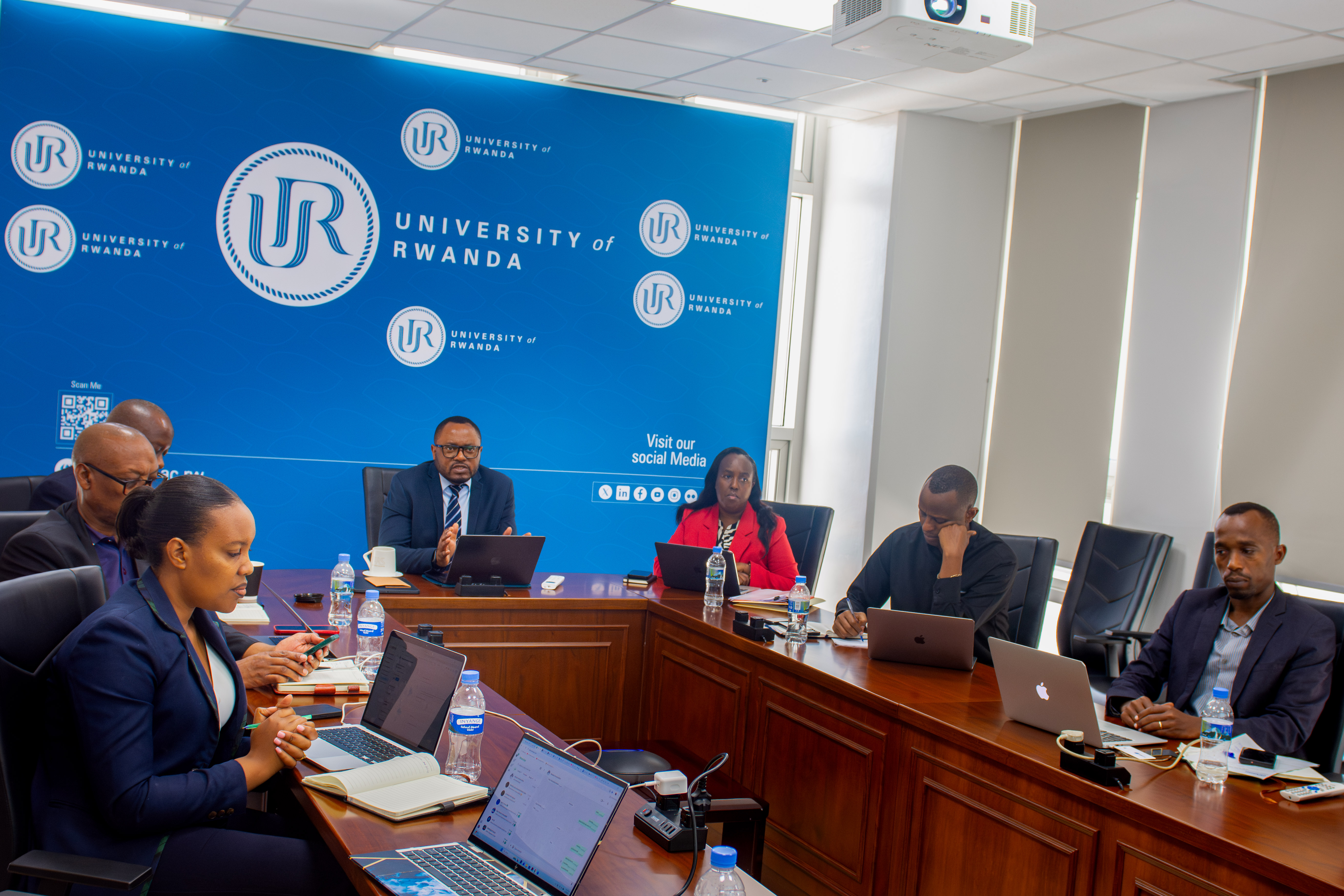
The meeting brought together University of Rwanda leadership, representatives from the Embassy of Sweden in Rwanda, the Swedish International Development Cooperation Agency (Sida), UR researchers, and counterparts from 14 Swedish universities who participated virtually to assess the Programme’s impact and explore opportunities for continued partnership.
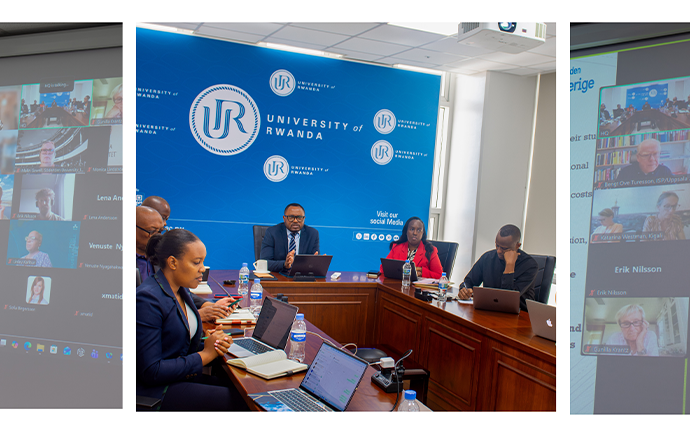
Over the years, the bilateral research programme has supported the graduation of 106 PhD holders and currently funds 53 ongoing PhD candidates. It has also financed more than 100 research and innovation projects. During its 24-year partnership journey, the Programme has played a pivotal role in strengthening the research ecosystem at the University of Rwanda, generating benefits for individual researchers, the institution, and the country at large.
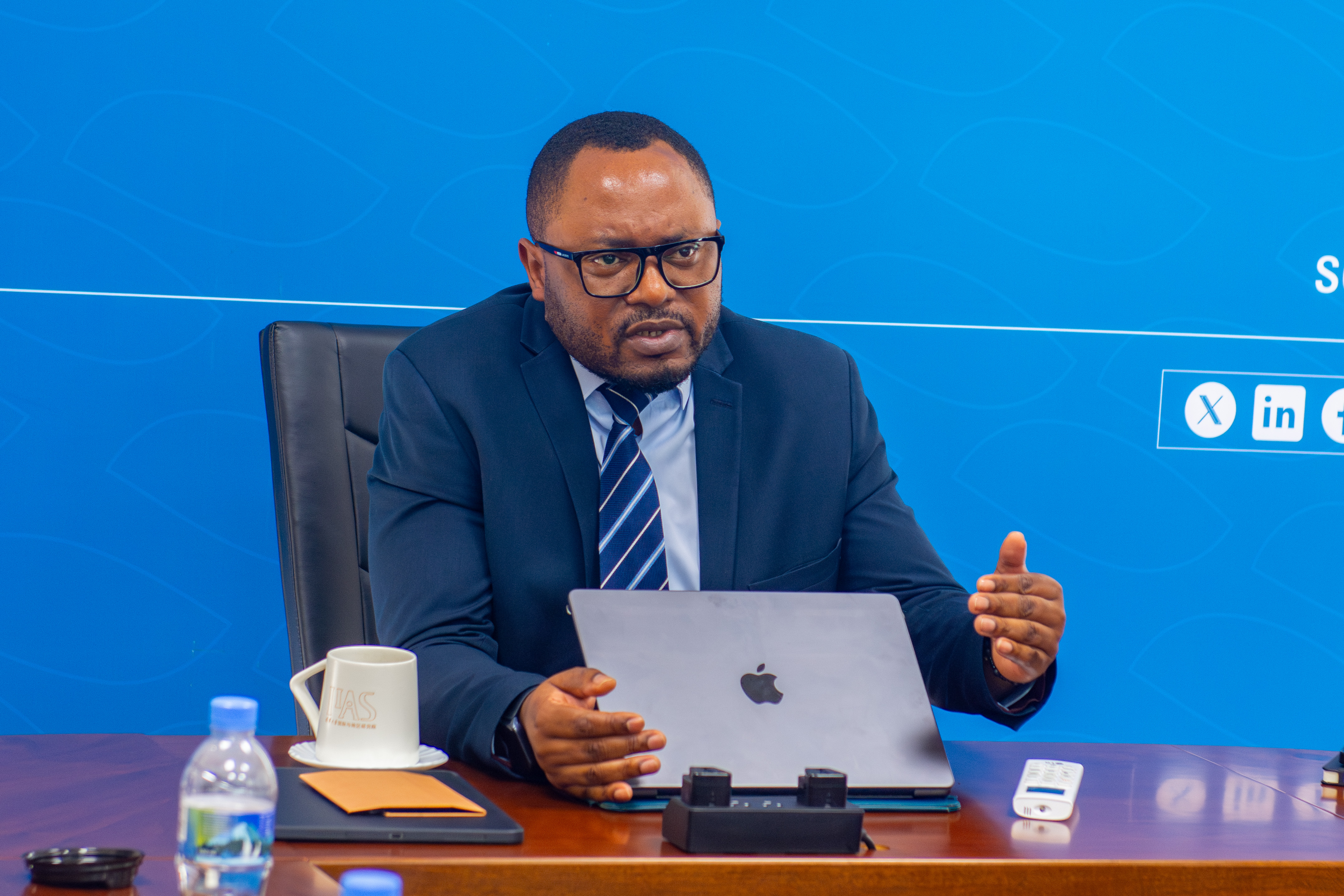
Speaking during the meeting, Dr Raymond Ndikumana, Deputy Vice Chancellor for Strategic Planning and Administration at UR commended the Programme for fostering a strong research culture within the institution.
“Without a conducive research environment, it is very difficult for research itself to thrive,” he noted.
Dr Ndikumana encouraged researchers to focus on translating research outputs into tangible benefits for society.
“The future will not depend on the number of research projects we produce, but on how effectively we communicate our findings and create impact within our communities,” he said.
He further urged researchers to continue embracing collaboration, strengthen science communication efforts, and promote broader public engagement with research. He reaffirmed the University’s commitment to addressing challenges that affect research productivity, including heavy teaching and supervision workloads.
“Nothing will be impossible if we continue to work through joint synergies, collaboration, and co-creation among university members and stakeholders,” he added.
In her remarks, Martina Fors Mohlin, Head of Development Cooperation at the Swedish Embassy in Rwanda, expressed appreciation to all partners and individuals who have contributed to the Programme’s success over the years.
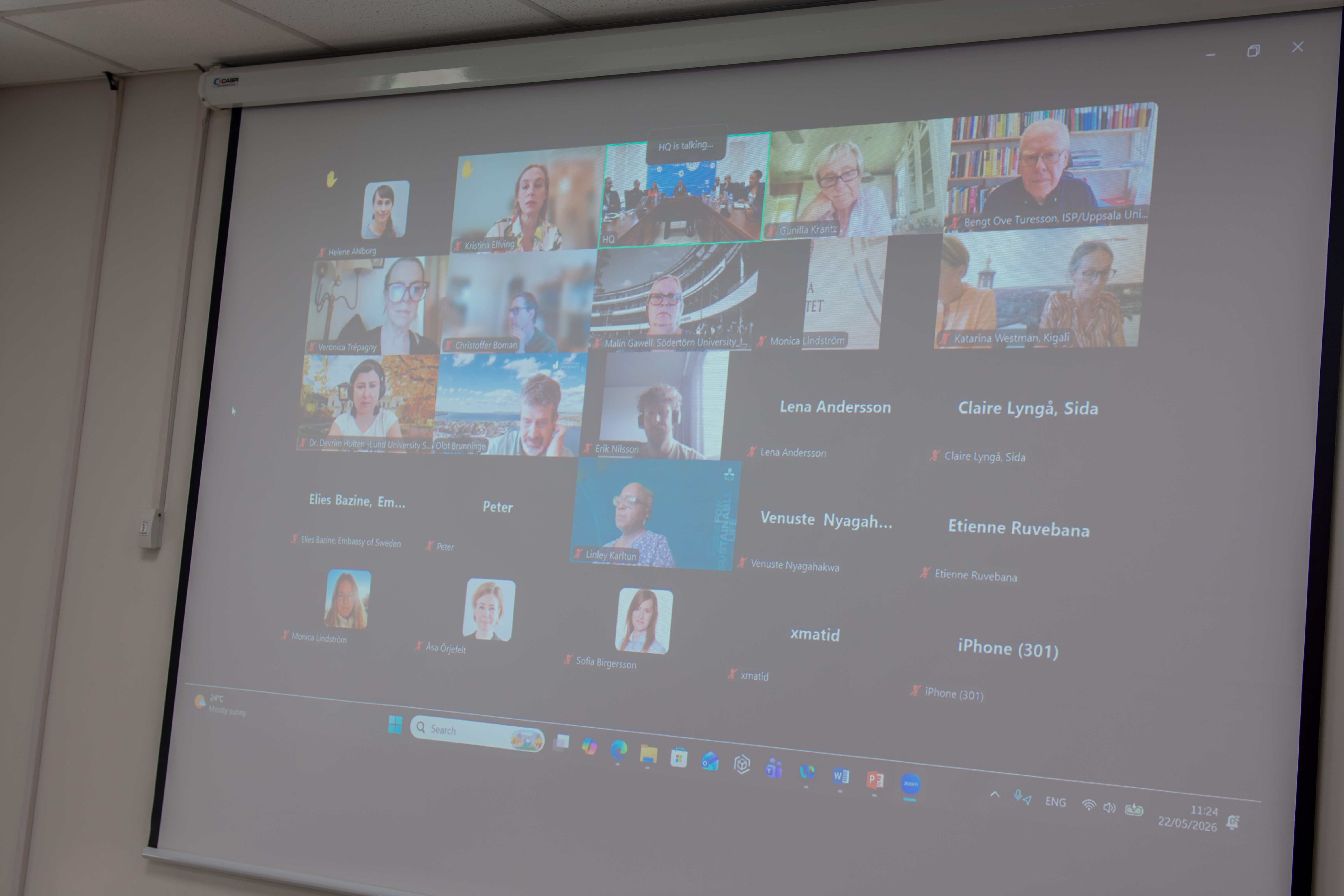
She acknowledged the global challenges affecting development cooperation and research funding, noting that some programme resources have been reduced. Nevertheless, she emphasized that Sweden’s research partnership with Rwanda remains strong and enduring.
“I strongly believe that we have created something meaningful, and I have learned so much through this collaboration and the research it has supported,” she said.