A research workshop organized by the Undernutrition Subprogram of the UR–Sweden Program brought together experts to discuss recent findings on child undernutrition, the challenges behind it, and possible solutions. The goal was to ensure that ongoing research supports both national and global nutrition priorities. The workshop also created space for participating institutions to identify new areas of collaboration and strengthen the link between research, policy, and real-life practice in advancing Rwanda’s nutrition agenda.
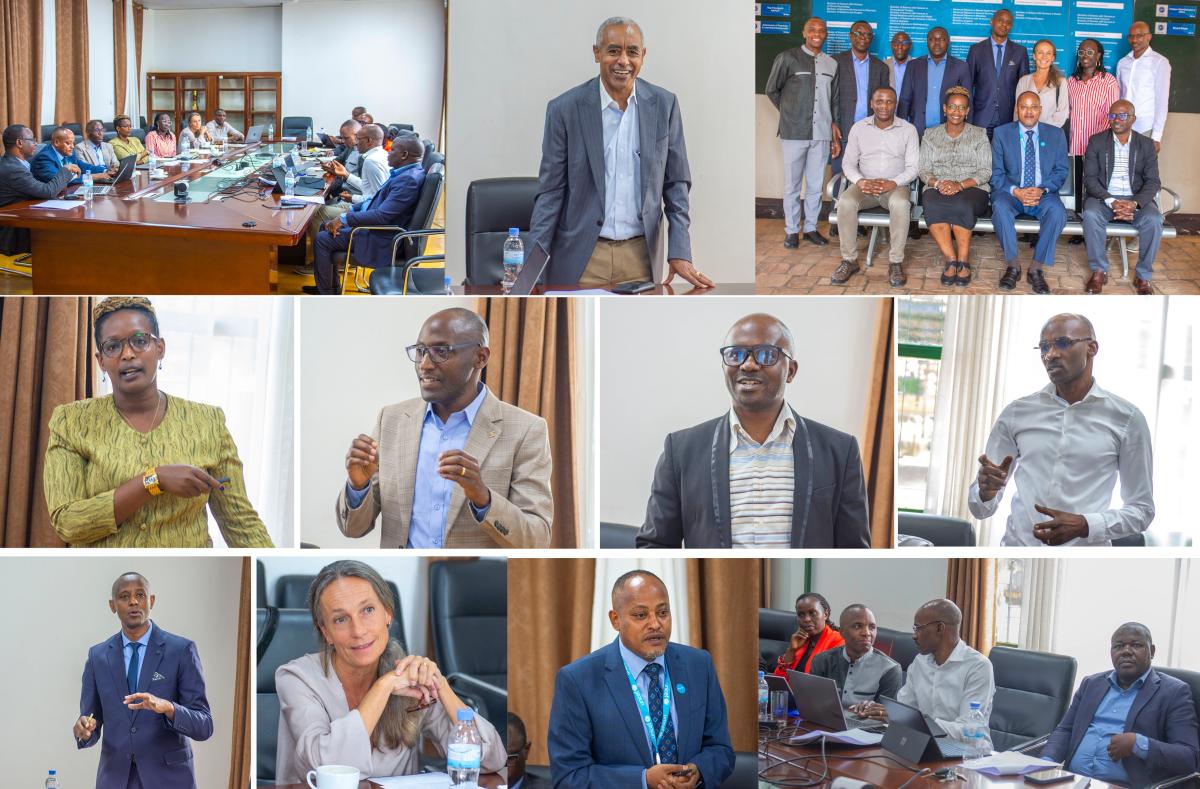
Presentations were led by newly graduated PhD and Postdoctoral researchers who shared studies on key issues affecting children’s health. They explored why stunting continues to affect many children in Rwanda despite ongoing national efforts, and how food loss and waste contribute to families lacking enough nutritious food. They also presented ways to reduce children’s exposure to infectious diseases such as diarrhea, which remains one of the leading causes of sickness and death among young children.
Opening the workshop, Prof. Abraham H. Mitike, Principal of the College of Medicine and Health Sciences, said the forum supports Rwanda’s national goal of improving nutrition for mothers and children. He emphasized that UR plays a key role in producing research that guides decisions and actions from responsible institutions.
“UR exists to generate evidence that allows concerned institutions to make informed interventions,” he noted.
In her remarks, Katarina Westman, Senior Research Advisor at the Swedish Embassy in Rwanda, highlighted that research acts as a bridge between knowledge and action; helping to create real impact in communities. She added that Sweden is increasingly interested in supporting the University of Rwanda to grow as a strong research hub that produces solution-oriented evidence.
The forum brought together researchers and major stakeholders from the health and private sectors, including UNICEF Rwanda, the Rwanda Biomedical Centre, the National Child Development Agency, and the Embassy of Sweden. Together, they discussed findings and proposed ways to strengthen nutrition interventions across the country.
The event once again demonstrated the UR–Sweden Program’s commitment to promoting research-based dialogue that informs policy and practice, contributing to the implementation of Rwanda’s National Strategy for Transformation 2.