LATEST NEWS

Social work stakeholders review commitment towards human beings’ dignity

Social Work policy makers, academics and practitioners were called to review their commitment to build strong collaboration towards social development leading to all human beings’ dignity. The call was made during a one day seminar organized by Social Work Subprogram under the support of UR Sweden Programme.  The event also attracted the Secretary General of International Federation of Social Workers Dr Dr. Rory G. Truell.

Since 1994 after the Genocide against Tutsi, activities of Rwandan social workers have been positively changing the community include but not limited to reuniting and solving family conflicts, and encouraging communities to play a role in finding solutions for themselves.
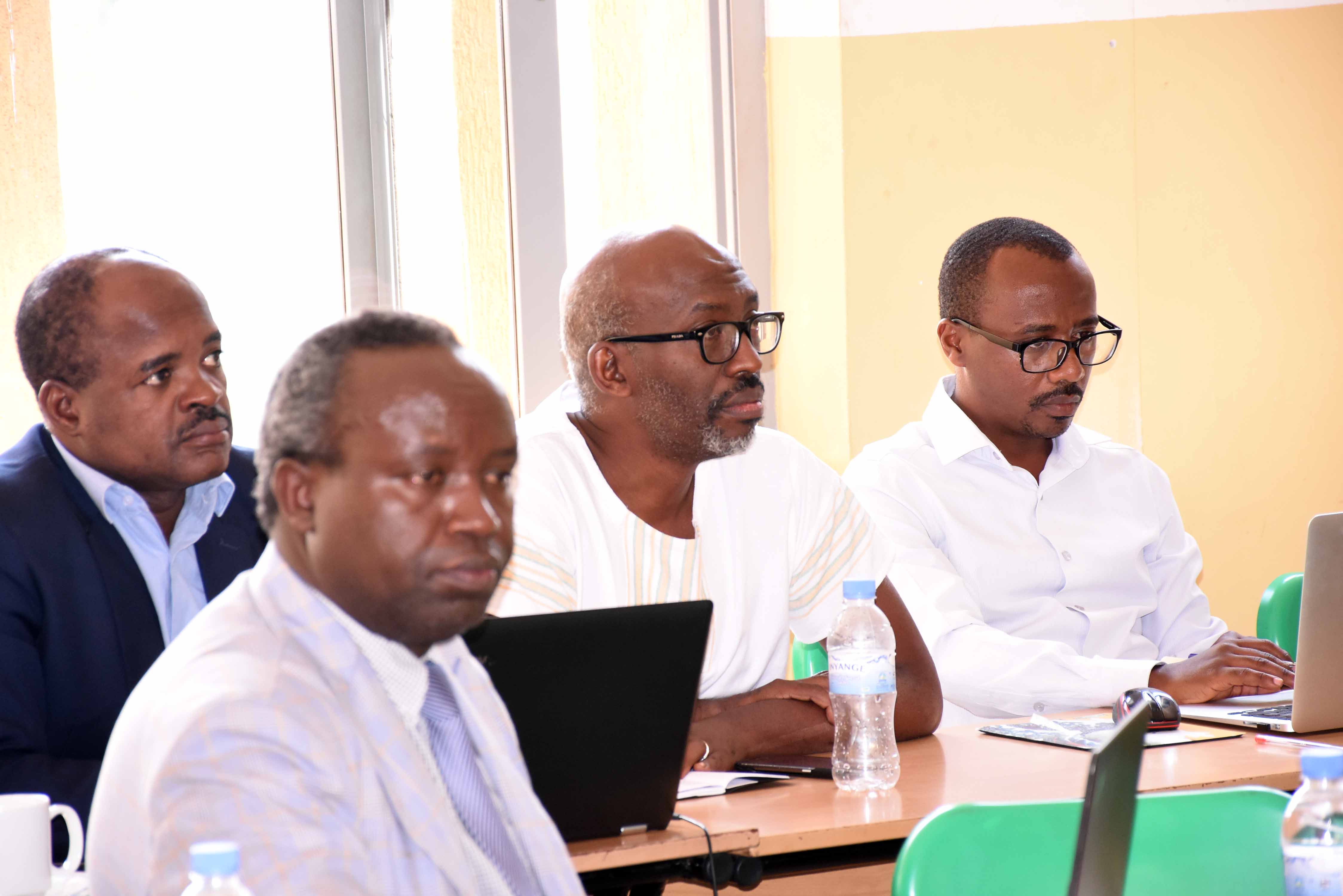
DSC_2795.JPG

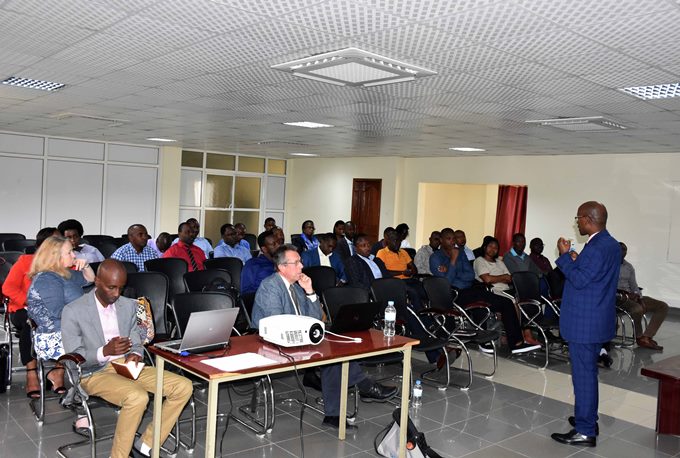
Participants in the seminar

In his remarks, Dr. Rory noted that countries’ development is inherited from the job done by social work professionals. He also urged social work practitioners to keep helping communities because, according to him, the development depends on population social coexistence.
1pres.jpg

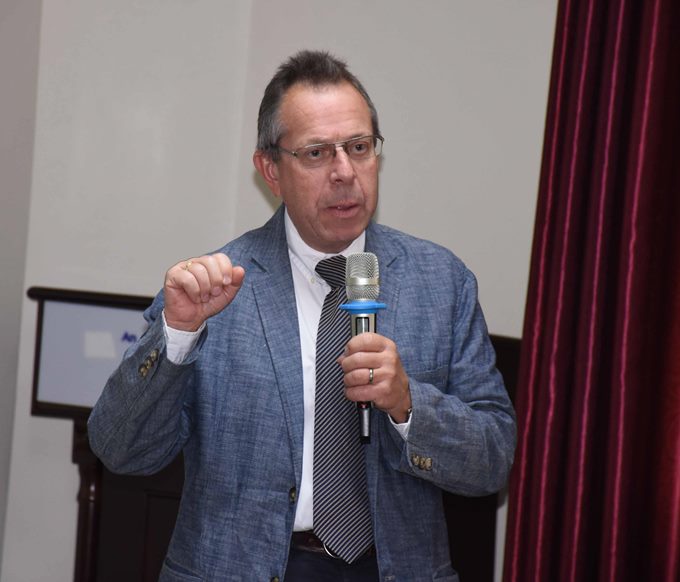
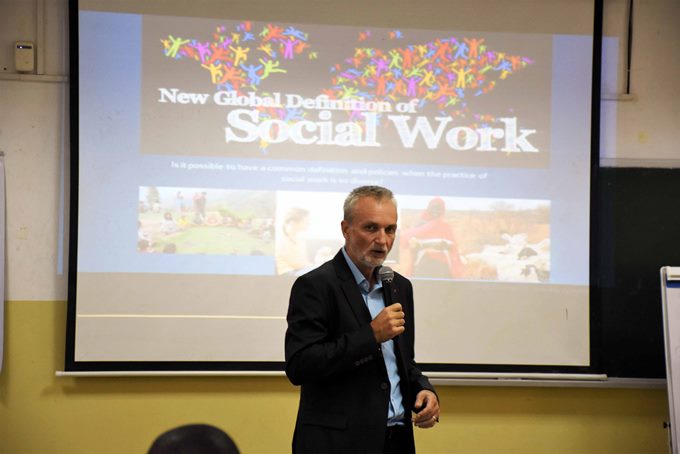
Dr. Rory during his presentation

“Social work is a ground profession that policy makers and many governments now recognise; investment into professional social work spurs rapid growth of the economy,” Rory said. He further told participants that the career of social work requires to go deep into the society and try find solutions to issues like family conflicts, school drop outs, prejudice and mistreatment.

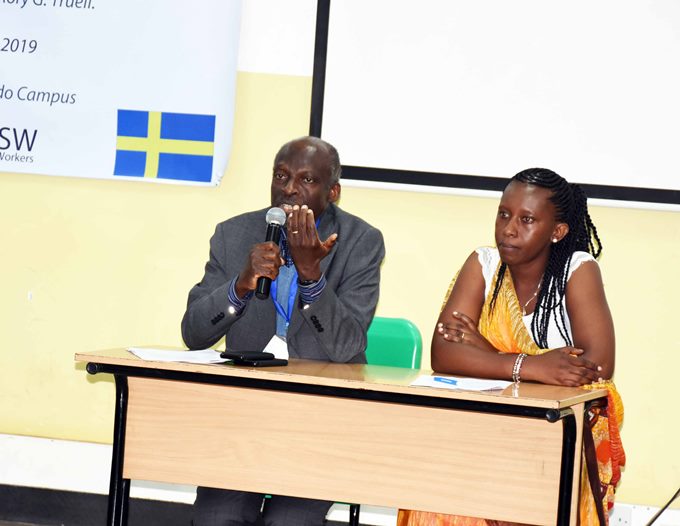
Speaking while opening the seminar, Prof Nelson Ijumba said asked social work practitioners to keep increasing awareness of people’s rights and be ready to mitigate all kind of social related issues. According to him, social work is the essence of why we live as human beings and therefore social work practitioners have big responsibility to try and make people feel that they are part of the community while ensuring that people have their dignity to live as human beings.
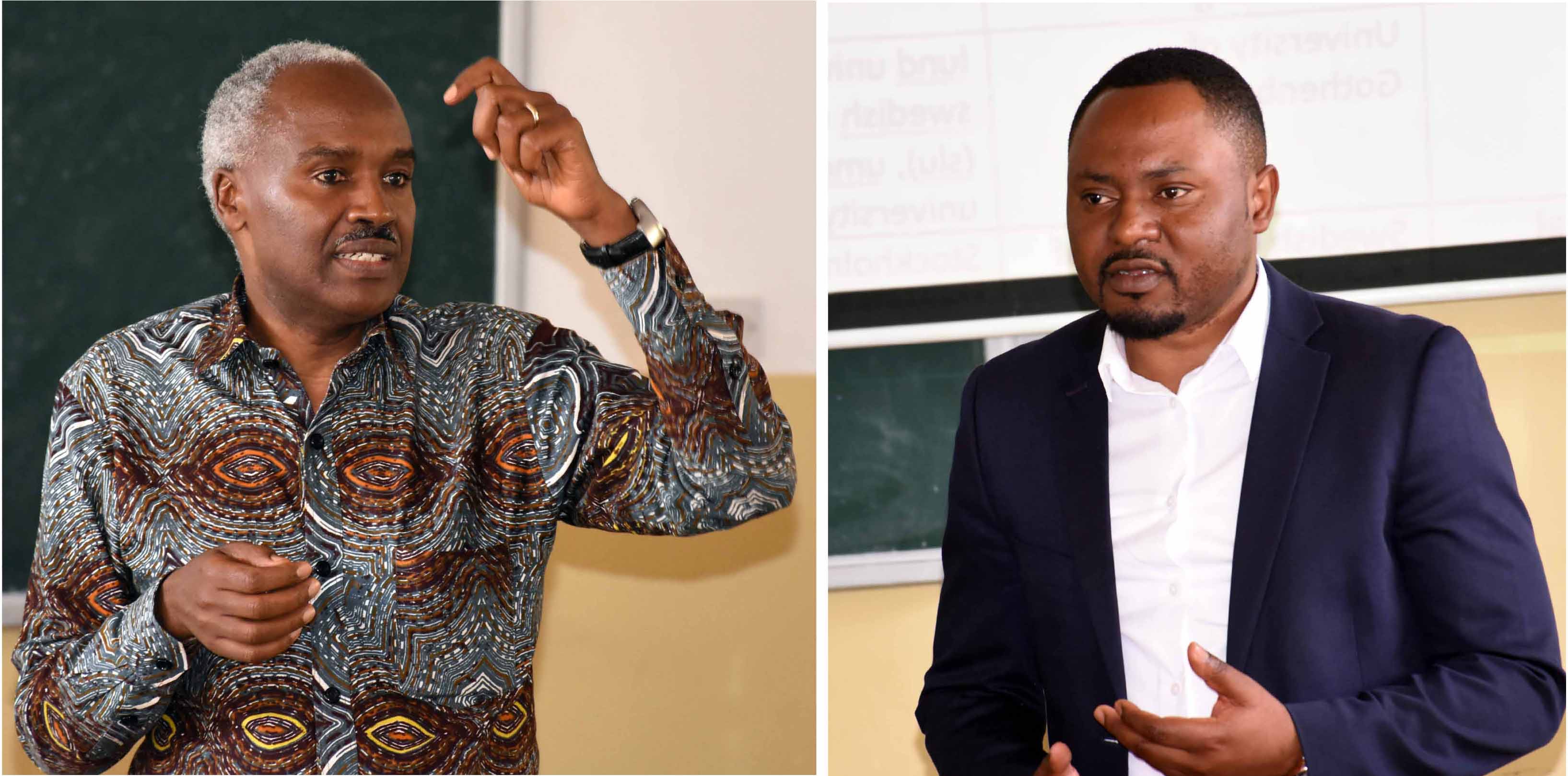
DSC_2802.JPG

Prof Ijumba (L) during his opening remarks

“If you’re a human being and your next neighbour is suffering, then you can’t enjoy being a human being” Prof Ijumba said. 

The theme of the seminar was “Strengthening Social Work Professional: International Examples and Implications for Rwandans”. Social work subprogram is part of 13 UR-Sweden Programme research clusters and will be implemented by the University of Rwanda in collaboration with the University of Gothenburg; Faculty of Social Sciences/Department of Social Work. The programme main activities are PhD training, conference attendance, academic research seminars which aim to boost research culture amongst staff and students, policy interaction meetings, community outreach activities and support the research and their publication.
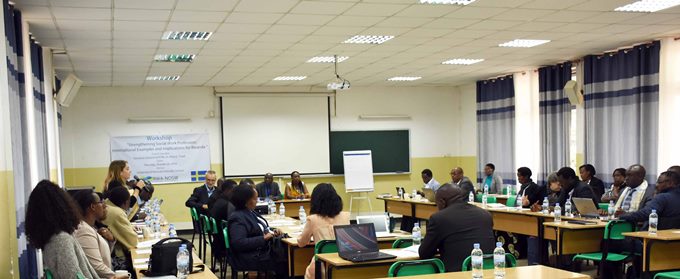
multiphotos 4 landscape_0.jpg

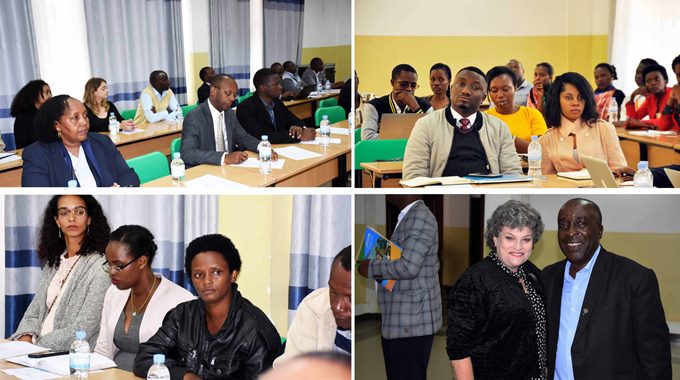
Sections of participants during the seminar
Digital Health subprogram move to levarage ICT for supporting healthcare service delivery

The Digital Health Subprogram organized a consultative meeting with stakeholders including researchers, industry and practitioners. The meeting aims to discuss among others ways to advance Health sector through digital health technology by training professionals and local caregivers to make clinical care more efficient. Digital health subprogram operates under the Regional Centre of Biomedical Engineering at the College of Science and Technology and is one of thirteen research clusters that make the 5-year bilateral collaboration of UR-Sweden Programme.

Speaking during the meeting, Dr Ignace Gatare the Principal of UR-College of Science and Technology noted that the Digital Health Subprogram was initiated because health sector is very crucial for achieving sustainable development goals. According to him, delivering services is at the moment influenced by technology and the use of ICT is equally indispensable in health sector at the moment.

DSC_2712.JPG

Dr Gatare (front) during his meeting opening remarks

“The health sector is becoming dynamic and changing and there is no way to deliver without using ICT” Gatare said. He added that digital heath is one of the tools and solutions to ensure that the health sector is delivering health care services in sustainable and professional approach and allow all the players to bring their contribution in much more coordinated manner. 

In his presentation, Prof Uno Fors from Stockholm University highlighted benefits of digital health research including making clinical care more efficient by assisting clinicians with decision support for better diagnoses and therapy suggestions. He also mentioned that the technology gives patient better information regarding their health related condition while overbridging regional lack of expertise and skills.

Uno  further noted that the collaboration with industry is instrumental as it enables having access to new methods and treatments, access to resources and make research results into viable health care services and products.

DSC_2739.JPG

Prof Uno from Stockholm University-Sweden

Digital Health Subprogram is implemented through a framework collaboration between the University of Rwanda-Centre of Excellence in Biomedical Engineering and eHealth (UR-CEBE) and Stockholm University, Department of Computer and Systems Sciences (SU-DSV). It has the vision to generate the necessary technical and scientific skills in digital health systems focusing on research and postgraduate training.

DSC_2777.JPG

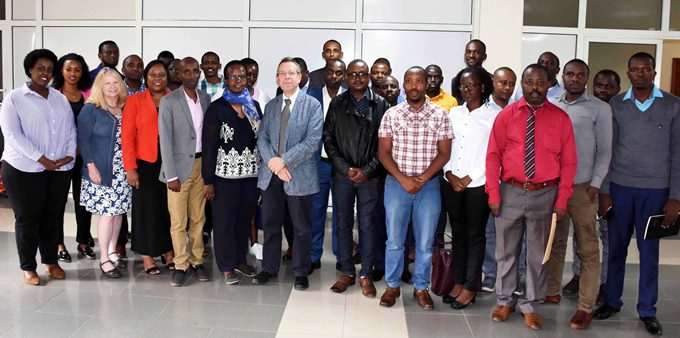
Participants’ group photo

Research team leaders urged to be diligent amid the implementation of UR-Sweden Programme

Research team leaders who will drive the 4th phase of UR-Sweden Programme met to discuss major activities and working modalities that will mark the phase to be carried out until 2024 . The meeting follows USD35M cooperation agreement signed between Rwanda and Sweden to boost UR capacity building in research and deliver on Rwanda National Development Agenda.

A section of team leaders for the 4th phase of UR-Sweden Programme

The meeting was officiated by Amb. Dr Charles Murigande who noted that the coming 5 year phase will create a huge impact of the development of capacity within the University of Rwanda. Murigande who is UR Deputy Vice Chancellor for Institutional Advancement also called on team leaders to recruit PhD candidates who will form a critical mass of academics who can teach well and conduct research on issues affecting the country.

According to Raymond Ndikumana, the Overall Coordinator of UR-Sweden Programme the 2019-2024 phase is imbedded into the proposed ‘Theory of Change’; an approach that seeks to eradicate poverty and advance the development of the country through interdisciplinary research. He added that the support will enable training of quality staff who will deliver success and ultimately complement to UR ambition to be a research led institution.

“The phase targets to build foundation and capacity for UR to contribute to poverty eradication while propelling Rwanda’s economic transformation through collaborative research” Ndikumana said. 

Amb. Dr Charles Murigande (L) and Raymond Ndikumana during the meeting

The Programme plans to enrol 80 PhD candidates who will be trained both at UR and in Swedish varsities on Sandwich mode. The support will also be extended to other key areas such as ICT, library, innovation, research management and research grants management.

The phase will continue to support ICT which has been the major driver of research at UR in that it increased the use of ICT resources, upgraded the ICT infrastructure and built capacity of ICT staff. It is also expected to maximize the use of available ICT solutions and focus more on the research-need.

In library, the move will be to communicate the research that have been done in the University of Rwanda including research conducted as part of  students’ dissertation and PhD thesis. Besides, the support will ensure that all research and published papers are digitized and made available through the University repository.

The Programme which started July 2019 with a span of five years, will be implemented around seventeen research projects. All projects embrace national and regional priorities, global commitment such us SDGs and other crosscutting areas such as gender and environment.

Participants in the meeting