LATEST NEWS

UR Principal Investigators for 2019-2024 Sida support convene to set new research priorities

A meeting for Principal Investigators for 2019-2024 Sida support was convened at the University of Rwanda to discuss priorities and budget implication that will mark the upcoming five year UR-Sweden Programme Phase. The Principal investigators lead seventeen (17) research projects that are eligible for funding in line with the existing bilateral research cooperation between the Government of Sweden and Rwanda. 

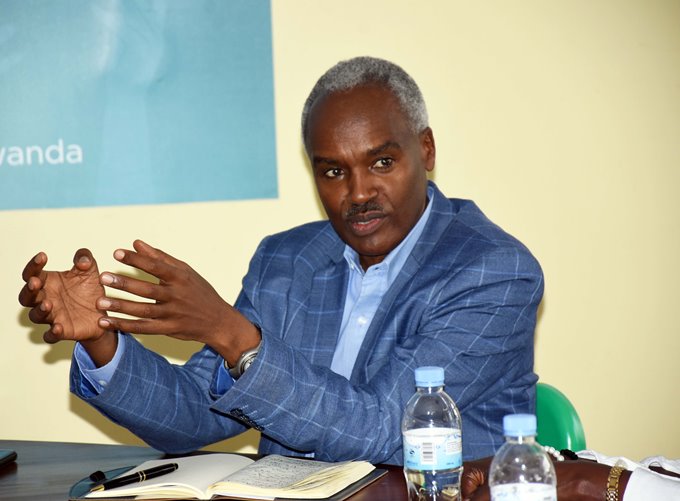
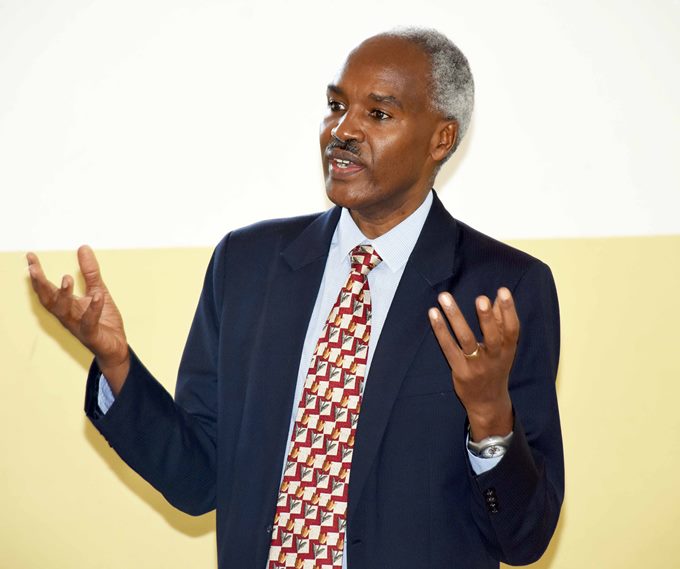
In his remarks, Amb. Dr Charles Murigande noted that the major priority in the upcoming phase will be allocated to PhD training in the quest to increase the capacity of academics who can teach well and conduct vibrant research. Murigande who is the UR DVC for Institutional Advancement with an oversight responsibility on activities of UR-Sweden Programme also informed participants that the funding would enable the creation of research environment, which will be sustained beyond the support by the Government of Sweden.
DSC_8169.JPG

Remarks by Amb. Dr Charles Murigande during the meeting

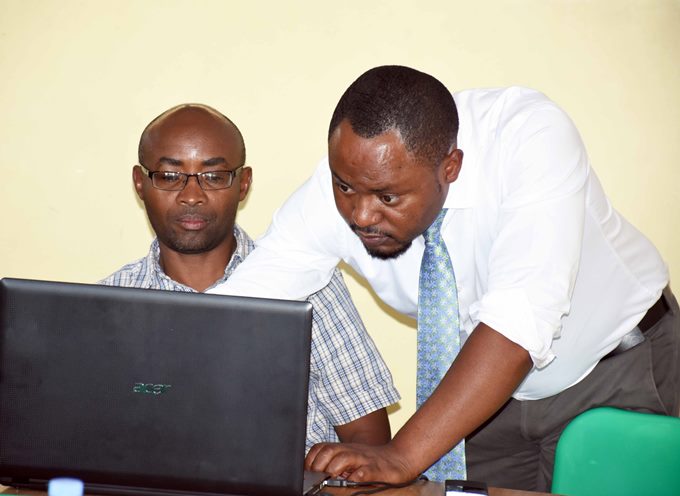
Speaking on the occasion, Mr Raymond Ndikumana the Overall Coordinator of UR-Sweden Programme said that Sida support is expected to train 70 to 80 PhD candidates compared to 52 PhD that were enrolled during the previous phase 2013-2018. According to him, Masters programmes will also be supported in collaboration with 14 Swedish partner universities.
DSC_8176.JPG

Mr Raymond Ndikumana (R), the Overall Coordinator of UR-Sweden Programme together with Prof Murinda C. Kabwete

Apart from PhD training, the 4th phase will support ICT infrastructure, which will integrate research, students, administration and finance in order to alleviate university services and make sure that research can be conducted in a relatively conducive environment.

Other areas like library will be given an impetus to communicate and share all the research that have been done in the University of Rwanda ranging from bachelor’s dissertation up to PhD thesis. The move will also see all research and published papers digitized and made available through the University repository.
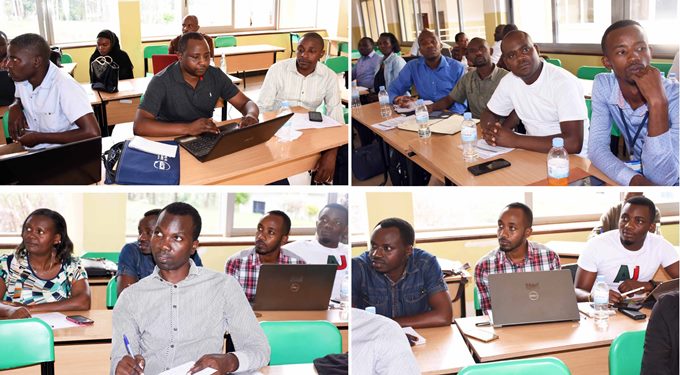
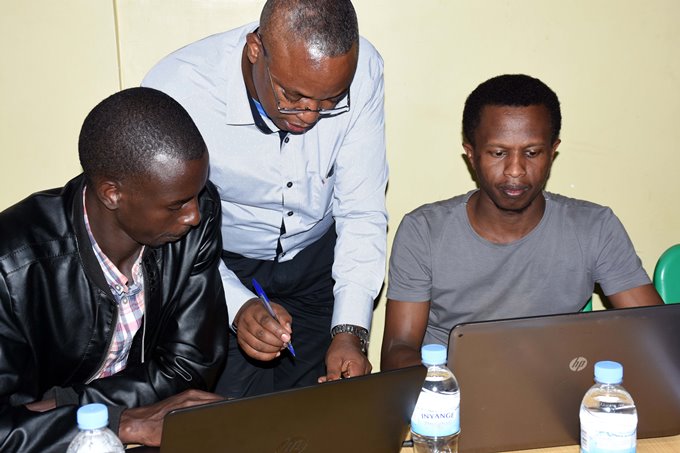
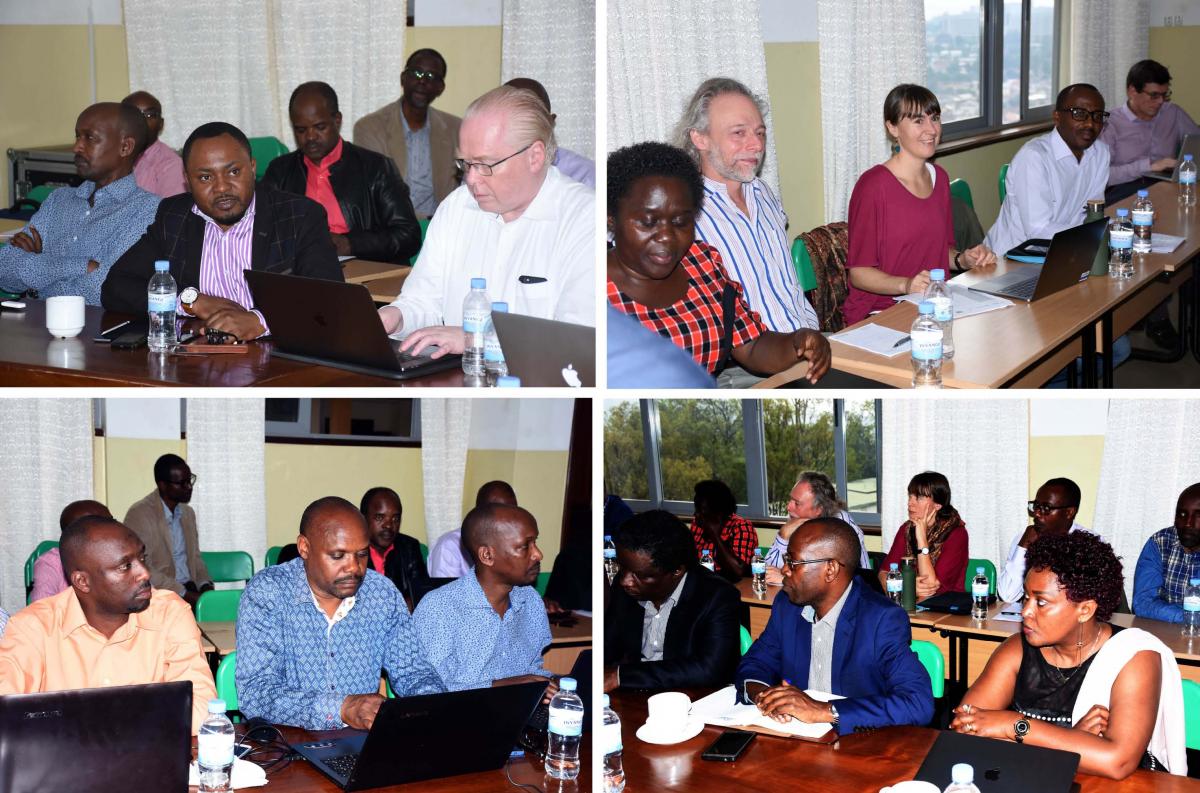
Sections of Principal Investigators who will drive the 4th Phase of Sida support to UR

By  Darius Murangwa
Communications Officer
UR move to empower postgraduate students with proper scientific writing skills

Scientific journals have set standards and guidelines that allow them to have quality research papers in their publications. However, aspiring and novice researchers struggle to meet standards required to have their papers published. Under the support of UR Sweden Programme, the University of Rwanda Centre for Language Enhancement started a training workshop for UR Postgraduate students in order to equip them with skills for proper scientific writing. 

Alice Ingabire is one of the participants completing her Masters of Animal Production in the College of Agriculture Animal Science and Veterinary Medicine. She is convinced that the workshop will enable her to publish quality papers and hence realize her dreams of becoming an academic researcher. For masters’ students to get their degree, publishing at least one paper in a recognized journal is a requisite; this makes the workshop even more significant for the trainees. 

DSC_7327.JPG

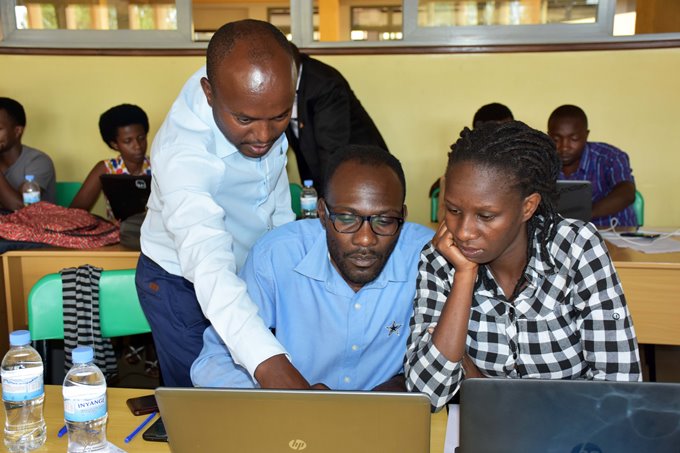
Alice Ingabire (front right)completing her Masters of Animal Production at CAVM

The workshop focuses on editing practices and proper language that students should harness in order to condense their manuscripts without distorting the content.

“Here we are learning among others ways to condense texts with a view to have the minimum possible wording,” Ingabire said, adding that the training also exposes her on techniques to crosscheck her thesis and papers prior submission while avoiding grammatical errors.

According to Mathias Kavara Nyamatare who also attended the workshop, acquired skills will groom them for better researchers who will invest into informed researches, from which the community and the country at large can benefit. 

“To be an academic researcher which is my target, you need to read and do more informed researches-grow knowledge and discover new technologies which will eventually help to improve the system of farming in our case” said Nyamatare who is also employed in a laboratory of milk testing and juices agroprocessing in one of the biggest industry in Rwanda.  

DSC_7350.JPG

Mathias Kavara Nyamatare (front right) during the training workshop

The training was facilitated by the University Centre for Language Enhancement which has the mandate to advance the language proficiency at the University of Rwanda. Speaking during the training, Dr Hilaire Habyarimana, one of the facilitators stated that the training was prompted by the existing gap of students who could not present their academic paper in a language that is convenient for scientific papers.

“Many students can speak and argue, but when it comes to writing we found out the lack of coherence-with some grammatical errors in their manuscripts” He witnessed.

He added that the Centre’s plan is to reach out to all postgraduate students available in UR Colleges.

By  Darius Murangwa
Communications Officer
Sweden and UR on the verge of starting a new 5-year research collaboration phase

The Government of Sweden through the Swedish International Development Cooperation Agency (Sida) will fund Seventeen (17) proposed research areas by the University of Rwanda. The move is in line with the existing bilateral research collaboration with the Government of Rwanda through the University of Rwanda. The Collaboration agreement is poised to be implemented in a span of five years (2019-2024)                          

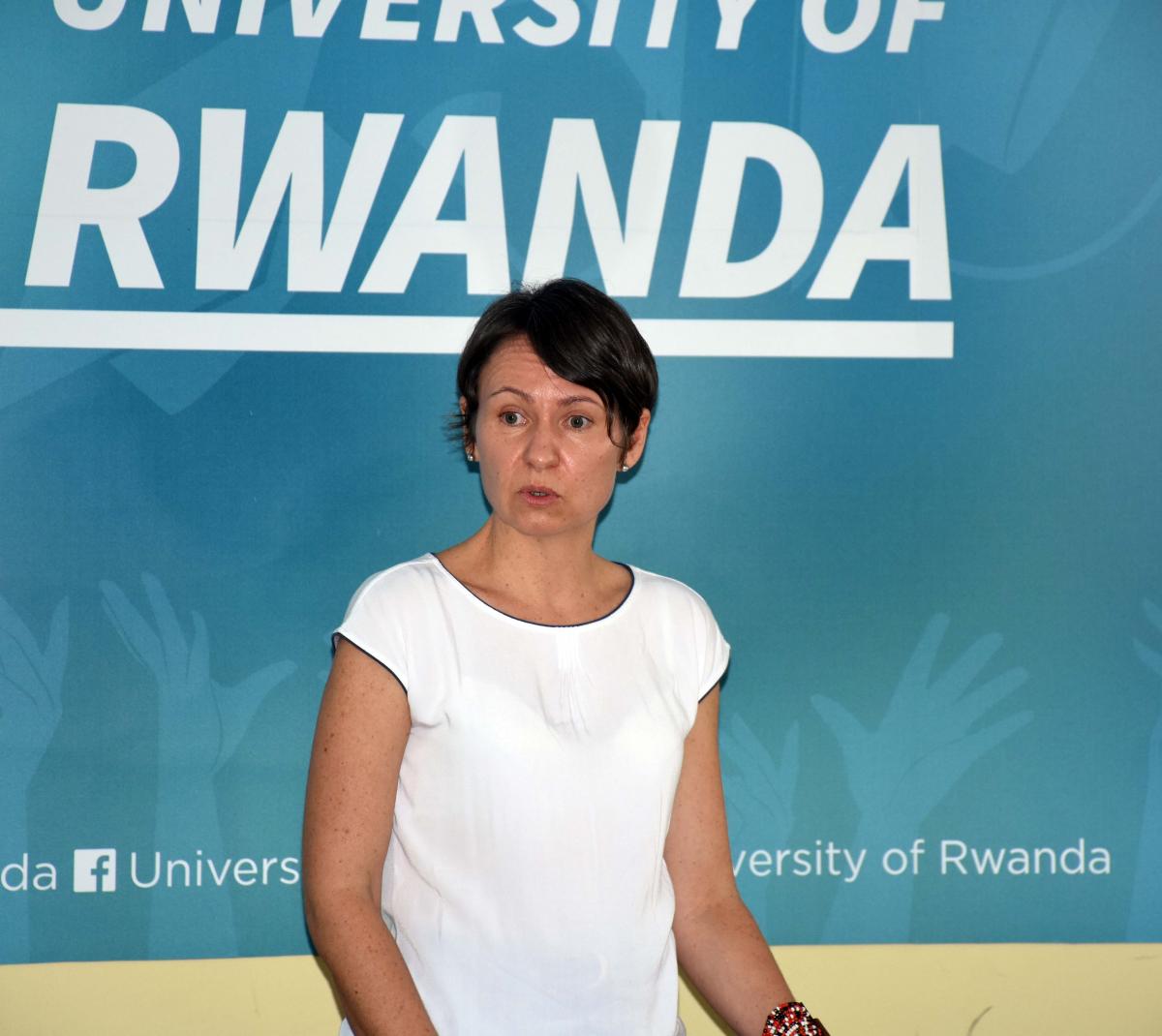
In a meeting to discuss modalities and procedures for the upcoming research collaboration, Dr Emilia Molnar from the Embassy of Sweden in Rwanda noted that the selection of research areas to be funded was conducted with utmost consideration of quality and transparency.  Molnar who is the Senior Programme Manager for Research and Higher Education at the Swedish Embassy also commended invested energy, which culminated into strong research proposals.

DSC_7226.JPG

Remarks by Dr Molnar from the Embassy of Sweden in Rwanda

“I believe that selected areas will contribute to the improvement of research environment at UR-the main research partner in Rwanda,” She said.

Speaking on the occasion, Amb. Dr Charles Murigande recalled that the application for the new phase can be traced back in 2016 when the call for letters of intent was launched by Government of Sweden. Among 32 proposals submitted by UR, 17 were accepted for funding negotiations. He added that the development of research proposals served as an important experience to the University staff.

DSC_7263.JPG

Amb. Dr Murigande ; UR Deputy Vice Chancellor for Institutional Advancement

“This is a new experience that UR staff will build on in order to be successful in other research and academic endeavors,” said Murigande, the UR Deputy Vice Chancellor for Institutional Advancement.

The collaboration is expected to involve national and regional institutions in designing staff capacity building programmes by focusing on questions that are relevant to both UR and those institutions and to the country at large.

The new 5 -year agreement between UR and Swedish varsities through Swedish International Development Support Agency (Sida) under the coordination of UR-Sweden Programme is expected to start from 2019-2024. All the 17 research areas embrace national and regional priorities, global commitment such us SDGs and other crosscutting areas such as gender and environment.

Accepted research proposals can be accessed here

multiphotos 4.jpg

UR academic researchers and their counterparts from Sweden


By  Darius Murangwa
Communications Officer