LATEST NEWS

Research partnership between UR and Swedish universities bears fruits

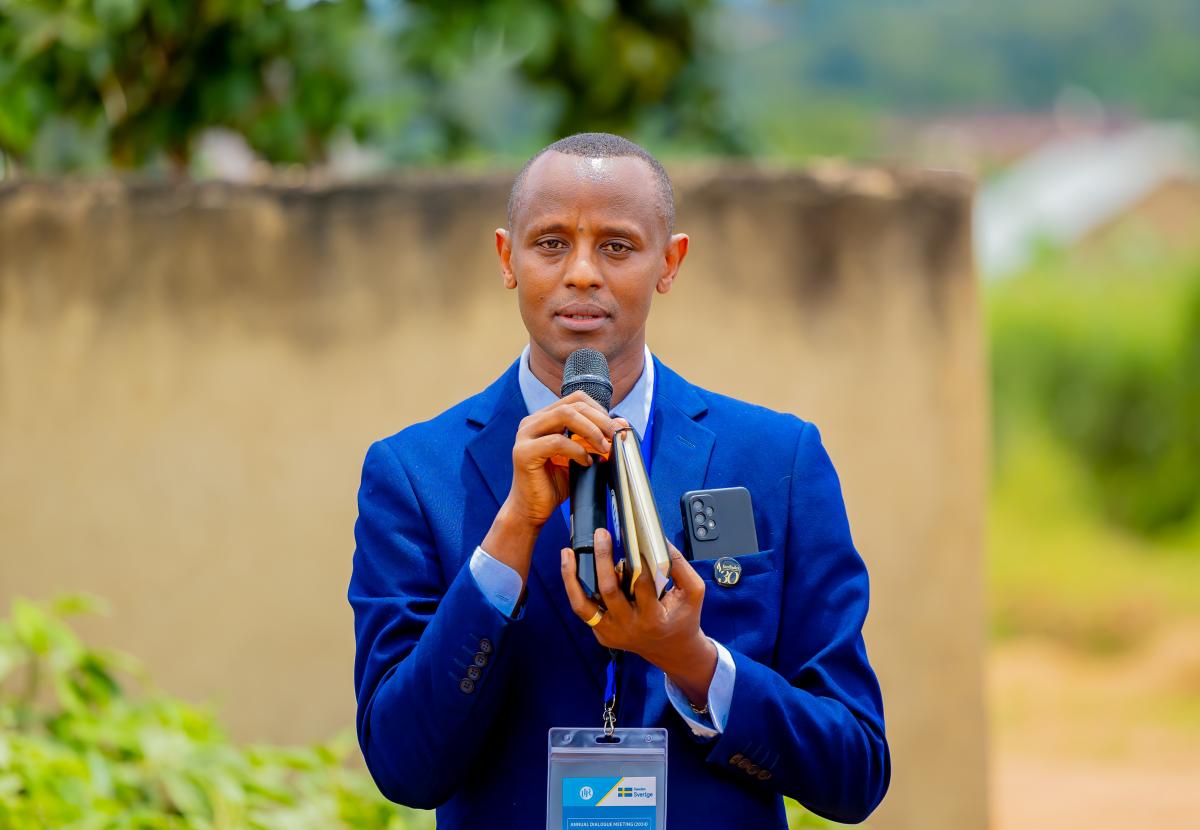
Quantity and quality of relevant research for poverty reduction and social economic development is on the rise after the partnership between University of Rwanda and Swedish universities to increase the number of staff with PhD and master’s degrees, Prof Etienne Ruvebana, the senior research coordinator for UR-Sweden Programme at University of Rwanda has said.

Prof Etienne Ruvebana, the senior research coordinator

He was speaking on April 24, 2024, during the 2024 Annual Dialogue Meeting which assessed UR-Sweden Programme implementation for the period from July 2023 to June 2024 and the work plan for the period from 2024 to 2025.

“We see a huge amount of very good research being done in the country. This means research that can have a high impact on the socio-economic transformation but also of our respective universities and the researchers themselves. We see the potential of growing academically and in other spheres of life and continuation of the contribution to transforming the country even more,” he said.

During the programme implementation from 2023 to 2024, 38 PhD students were supported to travel to Sweden and stay for their studies.

For the first time, the program has managed to support the development of 5 PhD programs at the University of Rwanda, with currently 26 university staff supported to carry out doctoral studies in those programs.

Martina Fors Mohlin, the Head of Development Cooperation and Deputy Head of Mission at the Swedish Embassy in Rwanda.

Martina Fors Mohlin, the Head of Development Cooperation and Deputy Head of Mission at the Swedish Embassy in Rwanda emphasized the significance of the UR-Sweden Programme highlighting its alignment with Rwandan needs in both government and private sector.
“The programme is building the capacity at a very high level which has then helped the country within government institutions, but also the private sector,” she said.
She stressed the importance of bridging the connection between research, policy and decision-making processes.

“The governments are always looking for evidence-based and right policies, revised policies or strategies. They need research, they need University research. I think the link between research and policy is extremely important,” said Martina.

Dr Raymond Ndikumana, the UR DVC for Strategic Planning and Administration

Dr Raymond Ndikumana, the UR DVC for Strategic Planning and Administration commended the catalytic role the Programme has played for the University of Rwanda and Rwanda in various aspects. He also emphasized the importance of documenting the remarkable achievements the program has accomplished over the past 20 years.
At the moment, the count of PhD graduates supported through the UR Sweden Programme has reached 94.

Group photo
UR and Swedish researchers visit reconciliation village-Honor Genocide victims

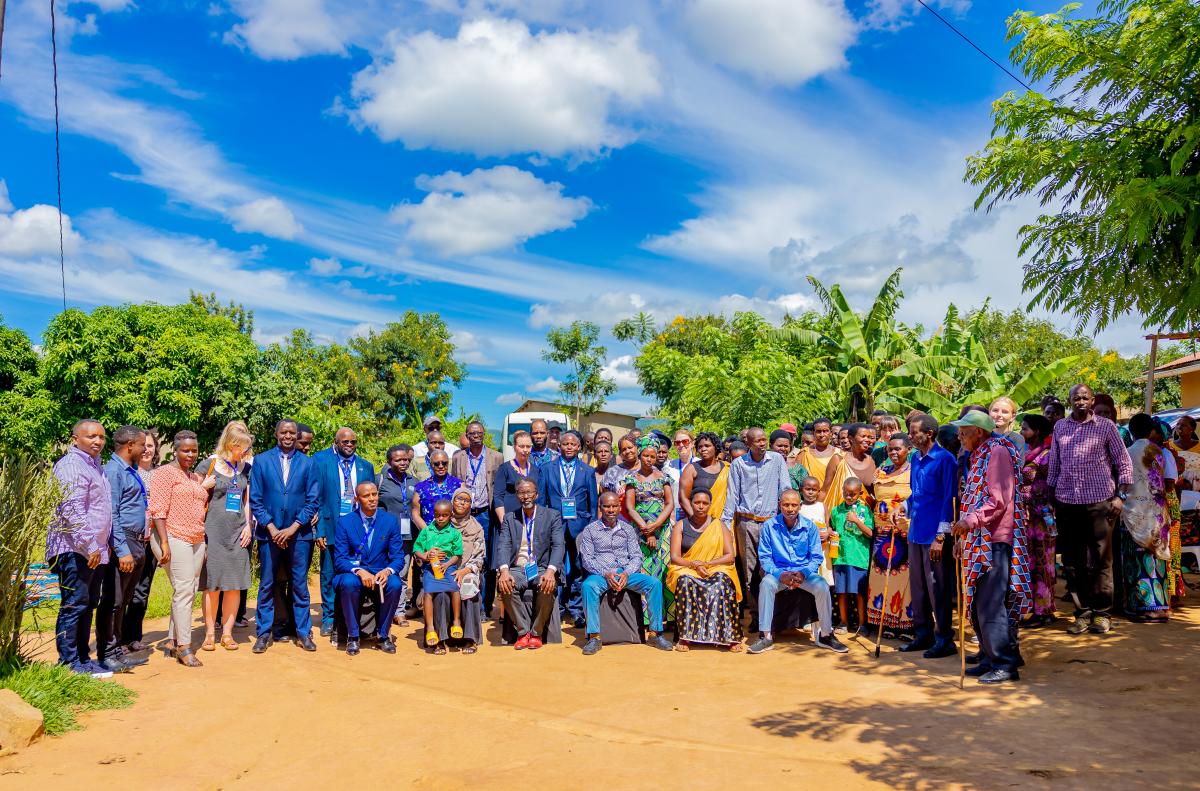
Over 50 researchers from universities in Sweden and the University of Rwanda visited a unity and reconciliation village in the Mayange sector of Bugesera District on April 22, 2024. The village is where survivors and perpetrators of the 1994 Genocide against the Tutsi, who have reconciled, reside.

Visitors group photo with residents in unity and reconciliation village.JPG

The researchers are participating in the 2024 Annual Dialogue Meeting until April 24. The event commenced on Monday, April 22 with a trip to the Nyamata Genocide Memorial, where over 10,000 Tutsi lost their lives during the Genocide.

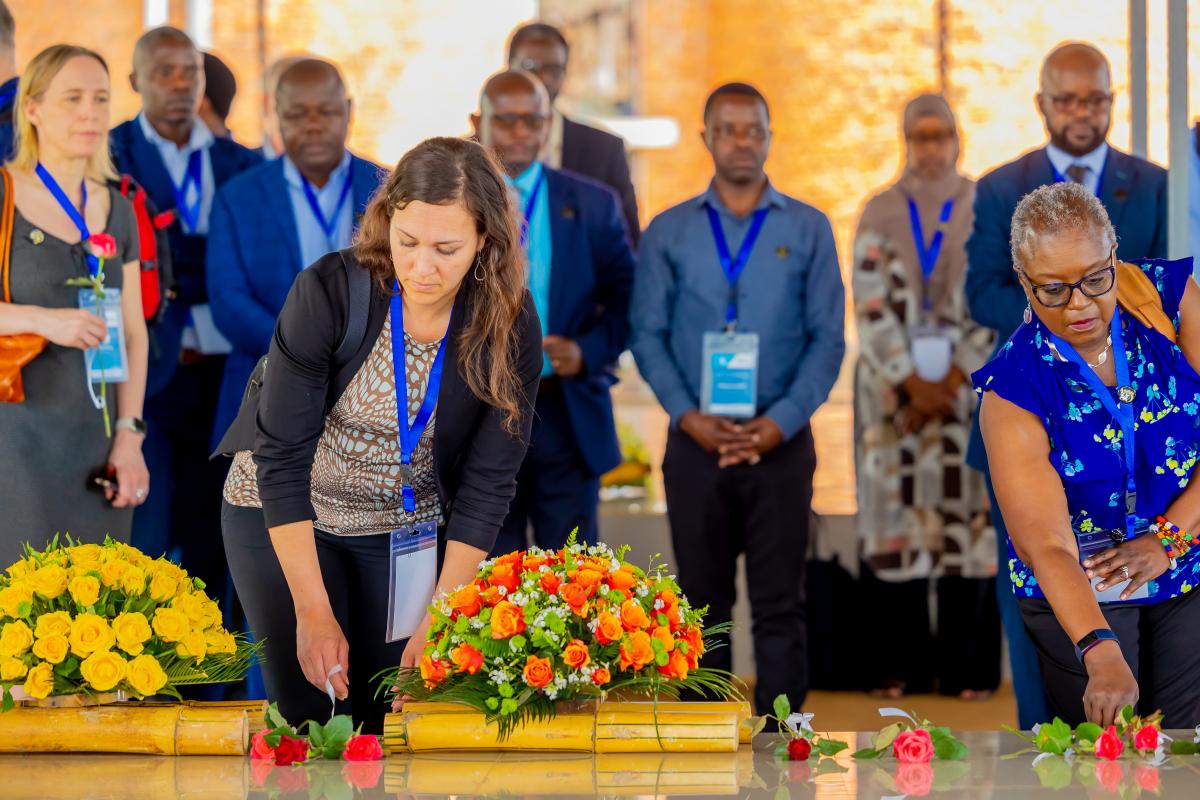
During the visit, visitors paid tribute to Genocide victims by laying a wreath in their honour. They witnessed powerful testimonies of unity and reconciliation by Genocide survivors and perpetrators living in harmony in the same village.

The unity and reconciliation initiative leaders in Rwanda also recognised the crucial support of the Swedish International Development Cooperation Agency (SIDA), mainly in the fields of mental health and psychology.

Prof Etienne Ruvebana, Senior Research Coordinator for UR-Sweden Programme, said the researchers visited the reconciliation to get facts about what happened, and what researchers can write about Rwanda.

Prof Etienne Ruvebana, Senior Research Coordinator.JPG

“There are people who are still trivialising the 1994 Genocide against the Tutsi. Now if researchers witness face-to-face the history of the Genocide, it helps fight genocide denial. Some write facts about history and if any of the researchers is inspired, they can do a lot in telling the truth. Among these researchers, some work on peace-building and conflict resolution, mental health, and social cohesion among others,” he said, adding that the reconciliation journey should be a lesson to the world.

Prof Helene Ahlberg, a researcher from Sweden, said that visiting the Genocide memorial, meeting people, and listening to testimonies about the Genocide against the Tutsi is a big takeaway.

Researchers paid tribute to Genocide victims by laying a wreath in their honour.JPG

“Listening to the people is very important because then there is a connection and you can see and hear the person. It is not just seeing something online. I need to understand the context of the people with whom I am working. I have to understand the reality of the life experience, understand the unique history of the country, and what people have lived through here, which makes Rwanda different from other places,” she said.

She said the reconciliation journey needs to be shared internationally.

“There is an incredibly important experience here. People who are witnessing should be there on the international stage and share their witnesses. I just want to highlight one thing that I personally take away, the importance of the healing initiative, socio-therapy. They have really shown the kind of aspects of healing as a person and as a community that other people also need to learn from,” she added.

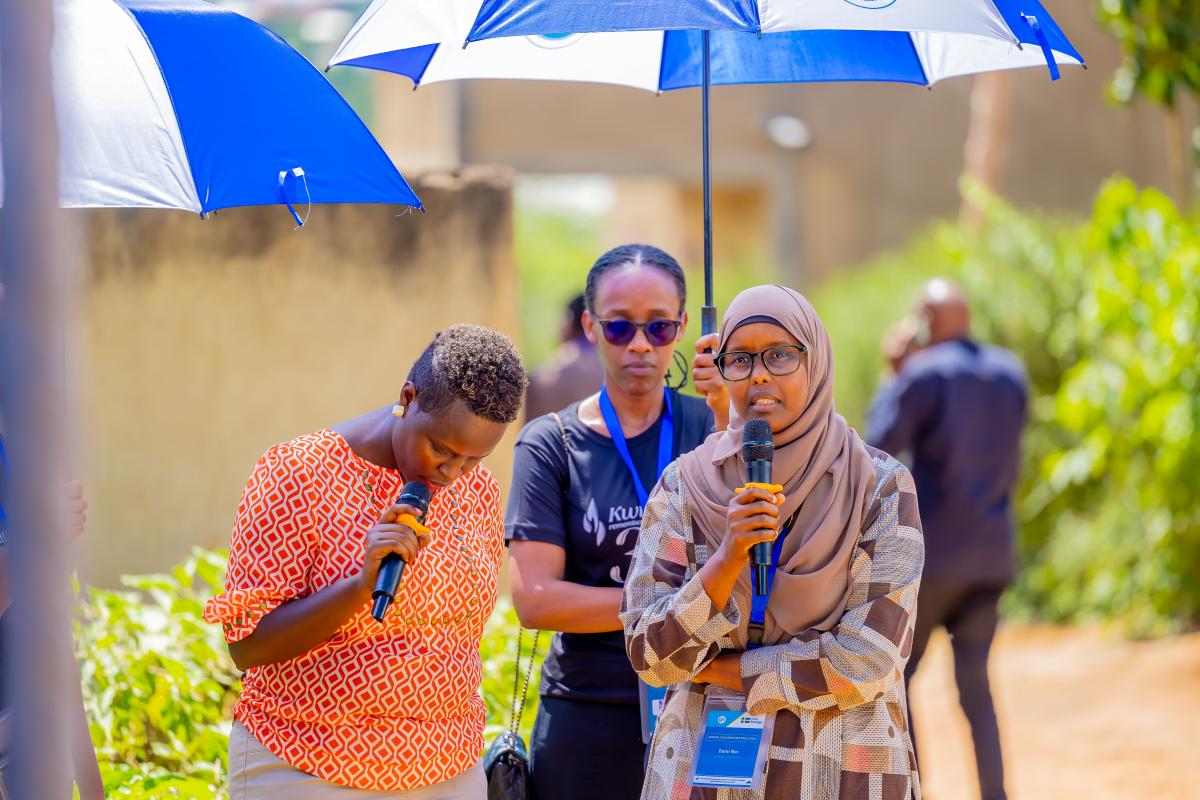
Dr Barni Nor, Senior Research Advisor at the Swedish Embassy in Rwanda.JPG

Dr Barni Nor, the Senior Research Advisor at the Swedish Embassy in Rwanda, added: “I learnt what determination looks like. And I am grateful for those lessons. I learnt what transformation is. And this is a lesson that you cannot learn by studying books. This programme that we are all part of today is looking at the next generation, it is looking at how to contribute and be part of this journey with Rwanda in its self-transformation.”


UR Library staff get tips to enhance user experience to elevate research and effective learning

In a bid to enhance the user experience (UX) for research libraries, a workshop was  organized at the University of Rwanda-College of Education  to equip library staff with efficient methods to navigate an expanding library and assist users in their daily activities such as learning, teaching, and research.

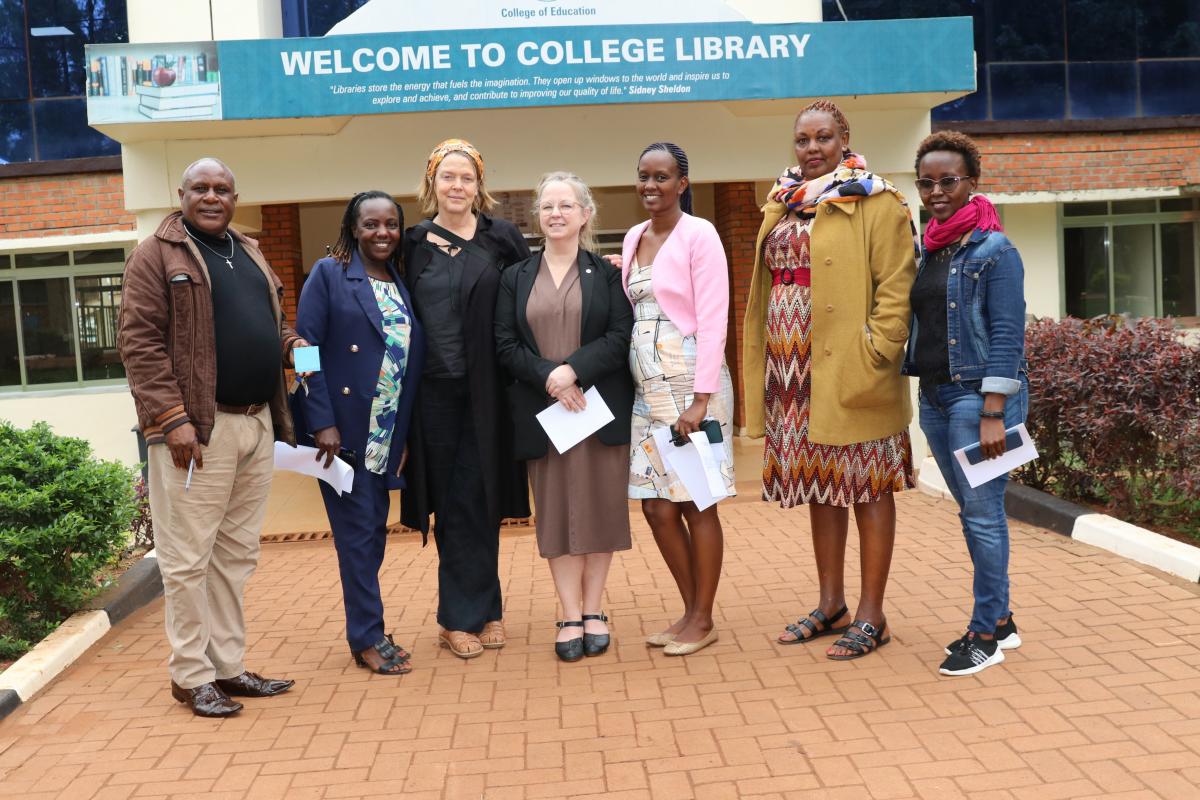
Participants pose for a group photo with facilitators.jpg

Workshop participants and facilitators pose for a group photo 

Under the framework of UR Sweden Program the workshop seeks among others to explore  the application of User experience design principles to physical and virtual library services while Identifying qualitative and quantitative UX research methods suitable for the library’s needs. In addition, the workshop allowed knowledge and experience sharing through innovative processes.It was facilitated by Linda Vidlund from SLU and Veronica Trépagny from the University of BORAS both from Sweden.

Speaking during the workshop, Gonzalve Nzeyimana, the Director of the Campus Library Service noted that the workshop aimed to address a key challenge related to efficiently locating specific books or keywords within a continually expanding library. He added tha the workshop was so vital as it equipped librarians with skills to explore methods to assist users in their daily activities.

The desired outcomes included applying users’ behavior and attitudes to services, evaluating and improving library websites, services, and systems, and studying the motivations, behaviors, and needs of users during user experience research. Various approaches, such as facilitator-led methods, interactive demonstrations, small group tasks, and discussions, were utilized to ensure active participation and effective learning.

Facilitators Linda Vidlund and Veronica Trépagny, brought their expertise from Sweden to enrich the learning experience. The sustainability of the training lies in supporting Rwanda’s development by discovering and advancing knowledge. The goal is to prepare library users for lives of service and leadership, fostering solutions and enhancing skills in academic research, writing, citation styles, and online self-regulated learning.

Overall, the workshop aligns well with the UR policy regarding online education to enhance the usage of e-resources to elevate the quality of education and research output at the University of Rwanda.